You want progress without thinking about payments
After a few months of steady on-time payments, the balance still seems to move in slow motion. The paycheck is predictable, the due date isn’t a surprise, and yet the “extra” money that could speed things up keeps getting absorbed by groceries, a weekend trip, or a random annual bill. It’s not that the plan is unclear—it’s that the follow-through demands attention at exactly the moment life gets noisy.
That’s the appeal of an automated extra-payment app like Chipper: it tries to turn good intentions into background behavior. Instead of logging into your servicer to push an extra $30–$80 after each payday, the app claims it can do it for you. The constraint is obvious from day one, though—those extra pulls have to fit inside the same checking-account timing that already has rent and credit cards competing for space.
The promise: automation makes extra payments painless
The pitch lands because it matches how people actually miss extra payments: not from lack of money, but from forgetting, procrastinating, or not wanting to log into a servicer portal that feels like a chore. Automation promises to treat an “extra” like a utility bill—small, frequent, and mostly invisible—so the total paid each month creeps up without requiring a new burst of willpower after every paycheck.
In practice, the hope is pretty specific: an app can split one big “I’ll pay more later” into repeatable micro-decisions. If $50 twice a month is easier to stomach than $100 once, the app can schedule those pulls around paydays and keep them consistent. The constraint, though, is that consistency cuts both ways. Those withdrawals happen whether the month is normal or whether an annual insurance premium hits early, so the benefit you’re buying is less “more money” and more “less day-to-day choice.”
First setup reality: linking accounts and permissions
Once the excitement of “set it and forget it” fades, the first real friction is account linking. It’s not a single button; it’s a chain of small approvals that each carry a different kind of risk. One screen wants your loan servicer login so the app can see balances and payment history. Another wants access to your checking account so it can pull money on a schedule. If you use multi-factor authentication, that adds one more step that feels routine until it fails at 11:30 p.m. and the setup stalls.
The trade-off isn’t abstract: the convenience comes from handing over enough permission for the app to act without asking again. That’s where people hesitate, especially if their servicer portal contains sensitive details, or if they’ve already dealt with a past account compromise. Even when the linking works, it can take a day or two before everything syncs cleanly, which matters if the plan is to start right after payday. The setup “cost” is time, but the bigger constraint is psychological—deciding what level of access feels tolerable in exchange for a few extra payments you could technically schedule yourself.
When the first extra payment posts differently than expected
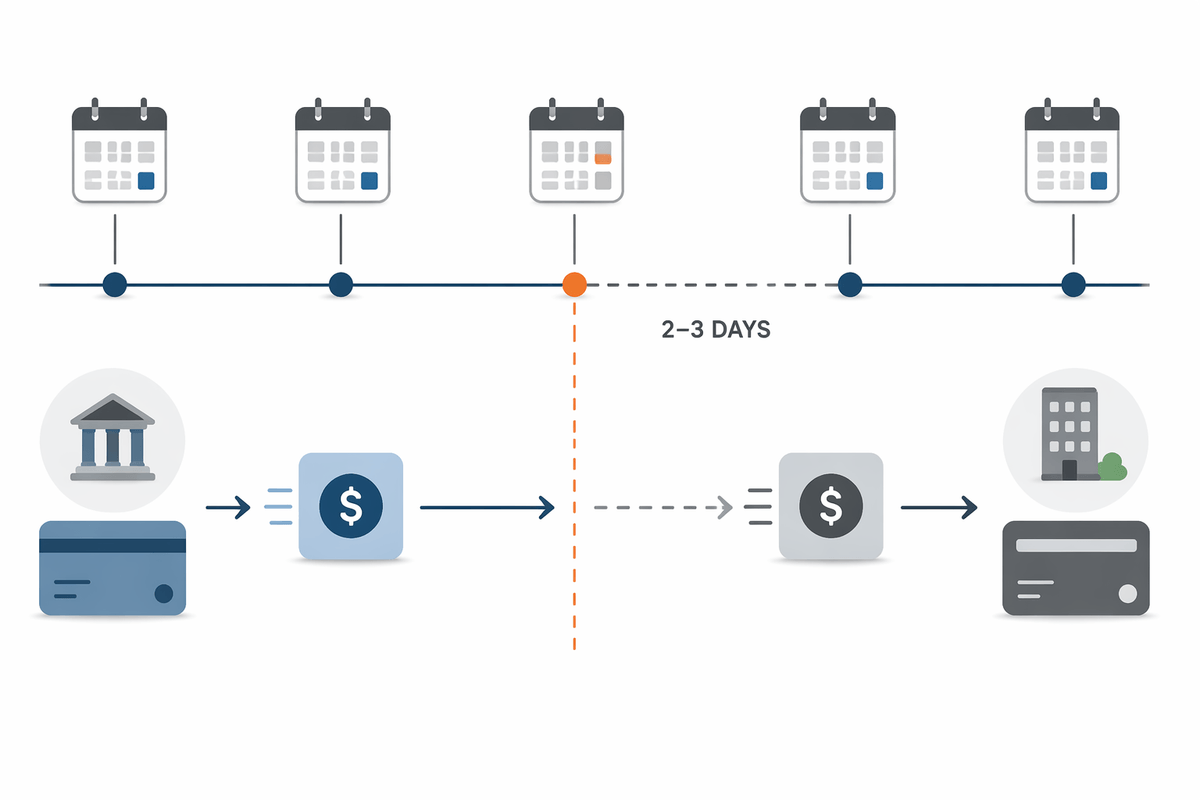
The first extra payment is the moment you find out whether “automation” means what you thought it meant. You see a transfer leave your checking account on the day Chipper said it would, and mentally you file it as principal you’ll never see again—in a good way. Then you open the servicer portal and the entry doesn’t match your expectation. Sometimes it shows up as a second payment with its own effective date; sometimes it gets lumped into “current amount due,” which feels like it’s helping next month rather than attacking the balance now. The constraint is timing: a two- or three-day processing gap can cross a statement cutoff.
That mismatch creates a small but real risk: if the servicer applies the money in a way you didn’t intend, the “extra” can quietly turn into an early regular payment, or into interest-first allocation that doesn’t move principal the way your spreadsheet assumed. Even when the dollars are correct, the posting logic can make it hard to tell if you’re accelerating payoff or just smoothing cash-flow. The only way to confirm is to check how the servicer categorized it and whether your next due date moved—an annoying extra chore in the exact system you were trying not to babysit.
Fees and cash-flow: the hidden math check
The next time a withdrawal hits, the question stops being “did it post?” and becomes “what did it cost me to run this way?” Chipper’s subscription fee is easy to ignore because it’s flat and familiar, but it’s still dollars that don’t touch principal. If the plan is $40 of extra payments each month and the fee is in the same ballpark, the effective “interest saved” has to outrun that drag, or the automation is mostly buying a feeling of momentum. The constraint isn’t your rate—it’s the size of your extra.
Cash-flow is where the math gets sharp. Those mid-cycle pulls can land two days before rent, or right after a credit-card autopay you forgot was scheduled. Even if the month totals work, the sequence can trigger overdraft risk or force a transfer from savings, which effectively turns an “extra payment” into short-term borrowing. At that point, the app is speeding up the loan while slowing down everything else.
It helps to treat the setup like a stress test: a low extra amount for one billing cycle, then review checking-account minimums, upcoming annual bills, and whether the fee still feels worth it. If the margin is thin, the automation doesn’t fail dramatically—it just quietly crowds out the rest of your budget.
Controls that make Chipper usable long term
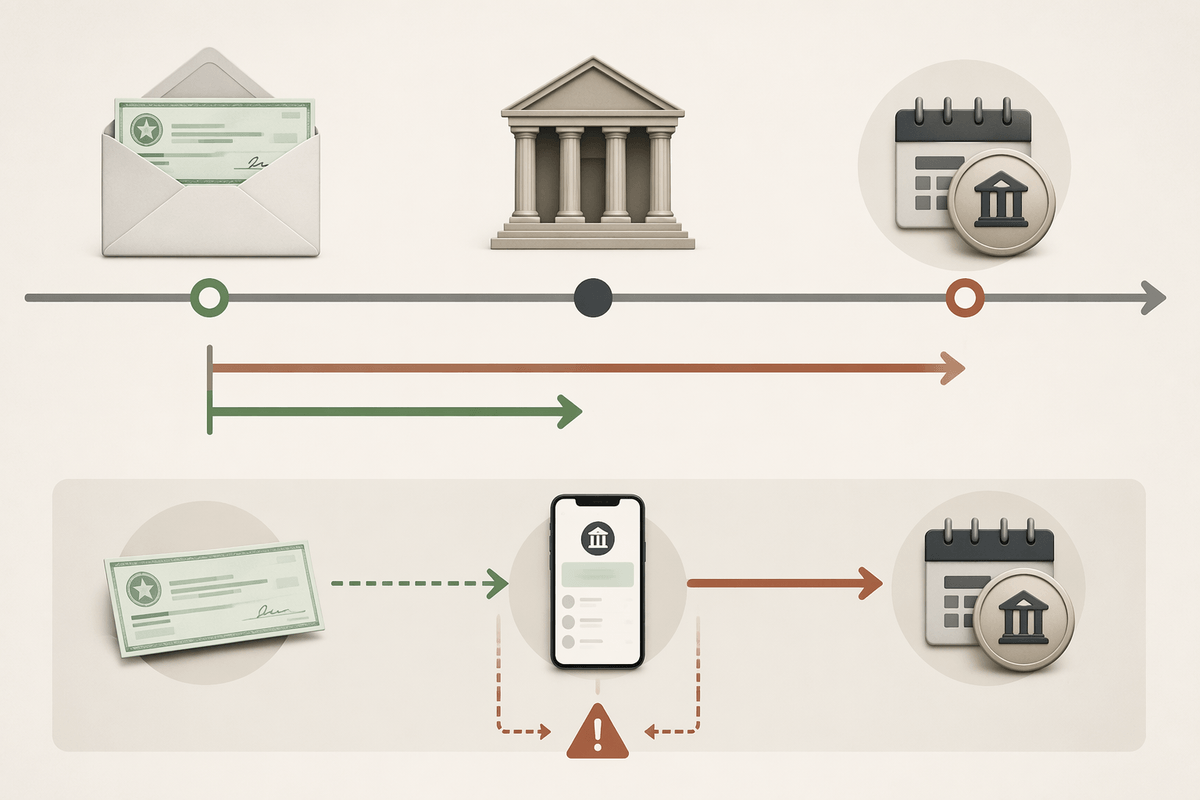
After that first month, the habit that keeps Chipper from becoming background noise is adding friction on purpose. A low “floor” in checking—an amount you refuse to let automation dip below—matters more than picking the perfect extra-payment number. If your cushion is $300 and Chipper pulls would take you to $240, you want the app paused before the withdrawal happens, not after an overdraft text. The constraint is timing: loan pulls can clear faster than the paycheck you’re counting on.
Long-term, the usable setup is usually boring: cap the extra at a level that survives an irregular month, choose fewer pull dates (not constant drips), and set a recurring calendar check to compare three things—bank debits, servicer posting category, and whether the next due date moved. If the app offers a pause/skip toggle, that becomes the real control surface. Without it, the “set it and forget it” promise turns into paying a subscription to stay anxious.
Decision point: keep Chipper, downgrade, or go manual
After a couple cycles, the decision usually isn’t ideological—it’s whether the automation is actually buying stability. If you’re consistently making meaningful extra payments (say $100–$300/month), the subscription fee becomes a smaller drag, and “keep Chipper” can make sense as long as you’re comfortable with the access you granted and you still check postings monthly.
If the app mostly helps you send $20–$60 here and there, downgrading or canceling is often the cleaner math. The manual version is unglamorous but controlled: set a bank bill-pay transfer to the servicer right after payday, keep a fixed checking cushion, and only add one-off extra payments in months when cash-flow is clearly wide enough.