Why “magnesium oil” isn’t actually an oil
The first time you spray “magnesium oil,” it can feel oddly slick—almost like you rubbed on a light body oil. Then, a few minutes later, it starts to dry down more like salty water than anything oily. That mix-up is built into the name.
Most “magnesium oil” products are really magnesium chloride dissolved in water (often called “brine”). There’s no true oil in the chemistry sense. The slippery feel usually comes from how concentrated mineral salts interact with skin oils and water on the surface, creating that temporary “glide” people associate with lotion or oil.
This matters because the sensory experience can be convincing. If your legs feel warm, tingly, or “treated,” it’s easy to assume magnesium must be soaking in. But a slick texture mainly tells you something about the solution sitting on your skin—not automatically that your magnesium levels changed underneath.
Common promises versus what evidence can support
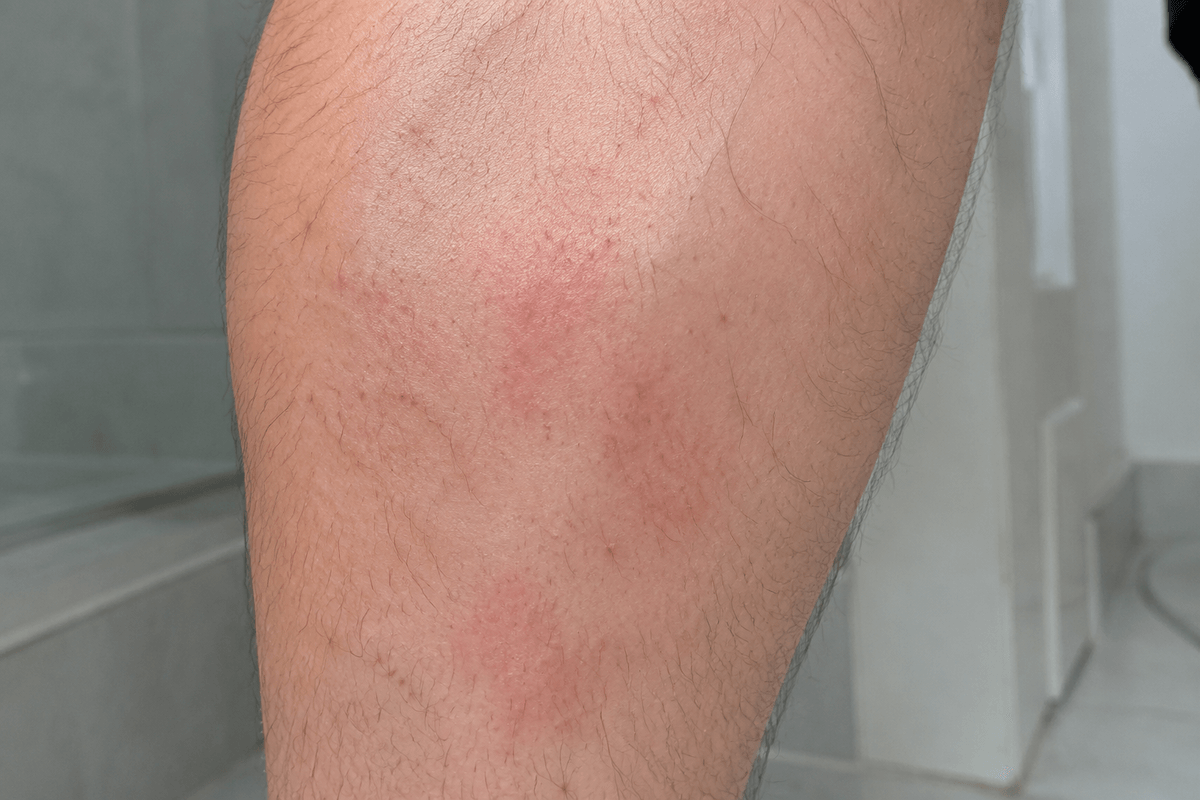
A lot of the biggest promises show up in the quietest moments: you spray your calves, climb into bed, and notice your legs feel “different.” That shift can be real—and still not mean your body absorbed a meaningful dose of magnesium. A strong sensation is easy to mistake for a strong effect.
Where the evidence tends to be more cautious is on the “shortcut” claim. Magnesium matters for muscle and sleep, but changing magnesium status usually depends on how much you take in overall, how consistent it is, and what your baseline looks like. With sprays, absorption through skin seems plausible in theory, yet it’s not reliably predictable in practice. The product can sit, dry, and leave a mineral film without much getting past the skin barrier.
Meanwhile, some improvements people report have other workable explanations: a new nightly routine, a few minutes of rubbing sore areas (which increases local blood flow), going to bed earlier, or drinking more water because they’re thinking about cramps. If the only “benefit” is stinging, itching, or redness, that’s a clearer signal of irritation than of progress.
The sting-and-itch reaction that surprises people
Sometimes the first clue isn’t relief—it’s the little burn that shows up right as you’re settling in. You spray, you rub it in, and within a minute or two your skin feels prickly, tight, or itchy, almost like you shaved too close earlier. People often read that as “it’s working,” especially when the label hints at a tingle being normal.
More often, that sensation tracks with what concentrated magnesium chloride does on the surface: it’s a salty solution sitting on skin that already has oils, sweat, and tiny micro-cracks you can’t see. As it dries, it can pull water, leave a mineral film, and irritate nerve endings near the top layer. None of that requires meaningful absorption—just contact, concentration, and time on the skin.
The irritation can still change your night. If you massage your calves longer to “push through” the sting, you may get a temporary loosening effect from rubbing and warmth. But if the pattern is persistent redness, itching that spreads, or discomfort that makes you want to wash it off, that’s a practical signal you’re mostly testing your skin’s tolerance—not your magnesium status.
Skin absorption is plausible, but not straightforward
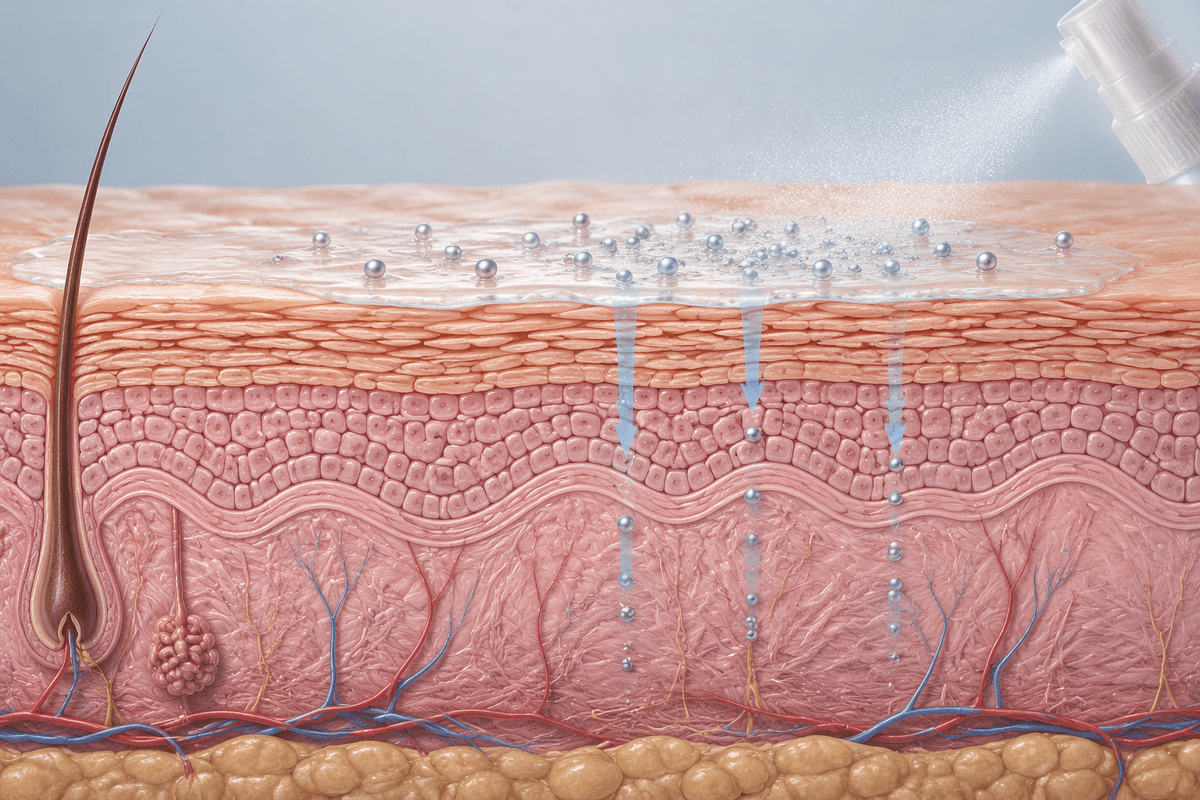
It often shows up as a small mismatch: your skin feels coated and “active,” but your legs don’t reliably follow the script. One night your calves seem quieter, the next night nothing changes—or the only change is that you’re aware of your skin the whole time. That inconsistency is one of the biggest clues that whatever is happening may be happening at the surface first.
Magnesium getting through skin is plausible in the same way sunscreen or nicotine patches can work—skin isn’t a brick wall. But it is a selective barrier, and most of what you spray is still dealing with the outer layer: drying, concentrating, and leaving that salty film. If absorption happens, it may depend on practical details people don’t think about in the moment: how thick the skin is where you sprayed, whether you just shaved, how long the product stayed wet, and whether it got diluted by sweat or wiped off by clothes.
That’s why “tingly” and “absorbed” don’t line up neatly. Tingling can be a sign of irritation or a change in hydration at the surface, while the benefits people want—fewer cramps, deeper sleep, less soreness—depend on a bigger system that usually doesn’t shift dramatically from a few sprays unless the dose and uptake are meaningful and consistent.
Hidden factors that shape your experience over time
After a week or two, the most noticeable change for many people isn’t the cramps—it’s the “feedback” from their skin. Some nights the spray barely registers. Other nights it stings in the exact same spot, and you start wondering if you’re building tolerance or just catching different skin conditions day to day.
A lot of that swing can come from hidden variables that have nothing to do with magnesium status: a hotter shower that softened the outer layer, shaving or exfoliating that left tiny micro-nicks, sweat that turns the brine into a stronger salty patch as it dries, or dry winter skin that’s already irritated. Even where you spray matters—thin skin and freshly worked muscles tend to feel more reactive than thicker, less sensitized areas.
At the same time, your routine quietly shifts. You’re paying attention to hydration, stretching a little longer, massaging sore spots, and going to bed with a “treatment” mindset. Those changes can make sleep and soreness feel better even if absorption is modest—while persistent redness or itch is a clearer sign you’re mostly testing your skin, not topping up magnesium.
Who may want extra caution before using it
It’s usually obvious in hindsight: you didn’t feel “relaxed,” you felt like you needed to rinse your legs. If your skin tends to react to fragranced lotions, strong actives, or even some laundry detergents, magnesium chloride brine can land in the same category—especially on freshly shaved, exfoliated, or already-dry areas. In that situation, the first limiting factor isn’t absorption at all; it’s whether your skin barrier will tolerate repeated salty contact without turning every night into an itch-and-scratch distraction.
Extra caution can also make sense when the stakes are higher than “did this help my calf feel looser.” If you’re managing kidney disease, or taking medications where electrolytes matter, it’s easy to over-trust a product because it’s “topical.” The amount you absorb may be small, but it’s also not something you can eyeball from tingling. And if you’re using it on broken skin, eczema patches, or after a hard workout when skin is already sensitized, the experience can skew toward irritation—making any perceived sleep or cramp improvement harder to interpret.
Practical ways people test and adjust safely
The first “test” most people do isn’t a lab test—it’s waking up and trying to remember what actually changed. Was it fewer cramps, or just fewer minutes thinking about your calves because you had a new bedtime ritual? When the spray is part of a wind-down routine, it can be hard to separate “my legs felt calmer” from “I fell asleep faster because I slowed down and paid attention.”
If you want a clearer read, people tend to do better with one variable at a time: same bedtime, same hydration pattern, and the spray on the same small area for a few nights—not everywhere, not after shaving, not right after a scorching shower. That makes it easier to notice whether the outcome tracks with the product or with the setup around it.
In practice, the most useful signals are simple. “Helping” usually looks like repeatable comfort without your skin demanding attention. “Not helping” often looks like redness, itch, or a need to wash it off—especially if the only consistent effect is tingling. If the main pattern is irritation, the experiment is already being run by your skin barrier, not your magnesium status.