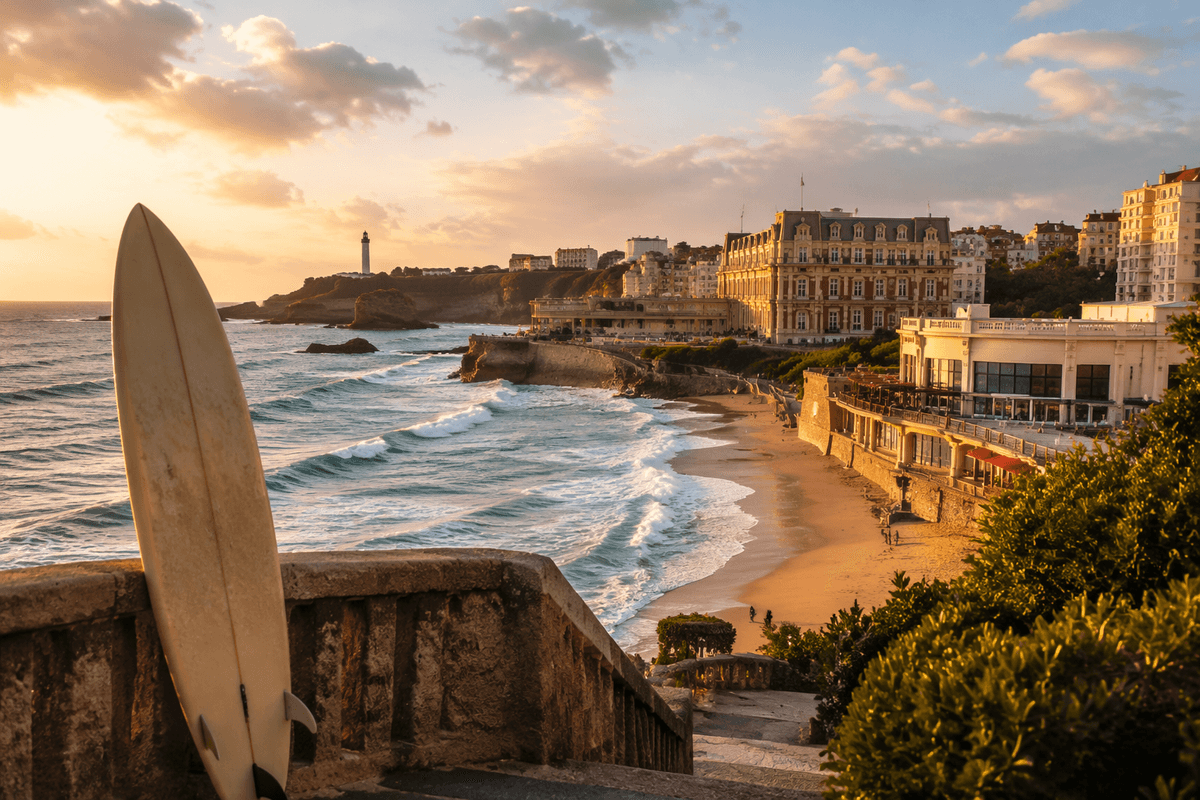
Choosing Europe is choosing your vibe
At 11:47 p.m., with fourteen tabs open and a half-built Google Map, it’s weirdly easy to freeze on the same question: “Are we doing Paris because it’s Paris, or because we actually want that week?” The prices you’re seeing for October hotels near the center aren’t even outrageous—just high enough to make every “must-see” feel like it needs to justify itself. That hesitation is useful; it’s your trip telling you it has a personality.
Choosing Europe isn’t picking “the best cities,” it’s picking the experience you want to repeat for ten days. A museum-forward trip (Paris, Madrid, Vienna) rewards slower pacing and early-entry tickets; it punishes couples who hate lines and only feel alive outdoors. A food-and-street-life trip (Lisbon, Naples, Sevilla, Lyon) often delivers more “worth it” per euro, but you’ll trade marquee-name landmarks for nights that run late and mornings that start slower.
Then there’s the crowd/weather math nobody puts on top-10 lists. Iconic places can be magical at 8 a.m. and exhausting by 2 p.m., especially in July; shoulder seasons buy you breathing room, but shorten beach days and occasionally shrink ferry schedules. If you’re planning 6–8 months ahead with €150–€220/day, your best move is to pick two stops whose vibes match—one “icon” you’ll forgive for its friction, and one that feels easy to live in.
First-timer cities that deliver fast
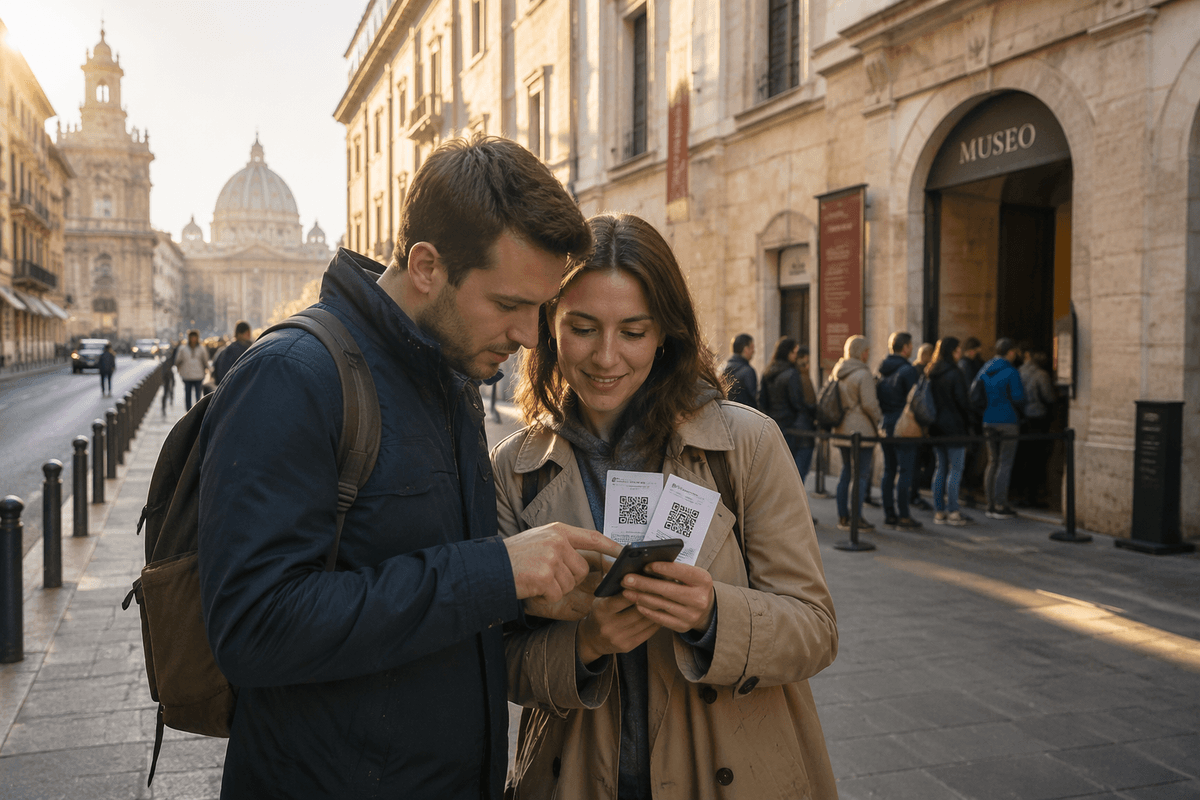
At 9:12 a.m., you step out of a metro station, coffee still too hot to drink, and the city already “makes sense” within two blocks: a river or a big square, a clear spine of streets, somewhere you can sit without a reservation. That first-hour clarity matters more than people admit, because on a 10-day trip you don’t have time to learn a place the hard way. Some capitals feel like puzzles; these are more like well-labeled menus.
If you want fast payoff without paying “icon tax” every minute, start your shortlist here: Lisbon (viewpoints + seafood, but hills), Madrid (late dinners + world-class museums, but summer heat), Sevilla (romance + tapas, but limited mid-day stamina), Lyon (food capital energy, fewer tour groups), Vienna (easy transit + palaces, a bit formal), Berlin (neighborhood-based fun, spread-out), Prague (compact beauty, early mornings beat crowds), Budapest (thermal baths value, stag-party pockets), Copenhagen (design + bikes, priciest daily spend), Edinburgh (walkable drama, festival crowd surges), Amsterdam (canal magic, book far ahead), Kraków (history + pricing that stays sane).
Who these work for: couples who care about walkability and “worth it” meals more than ticking off every monument. The trade-off is predictable: the easier a city is to love quickly, the more it rewards early starts and timed tickets—especially May–September—so you’re not negotiating lines when you’d rather be wandering.
Storybook streets and grand architecture
I remember zooming in on a saved pin in Florence and realizing the “quick walk” between two churches was actually a slow shuffle behind tour groups with gelato cones. The stone looks the way you want it to look—warm, cinematic, forgiving in photos—but the pace can feel more like an outdoor museum than a living neighborhood at 3 p.m. That’s the deal with storybook cities: the streets deliver instantly, yet the friction shows up fast if your timing is casual.
If you want grand architecture without the full icon-tax squeeze, think in pairs: Florence for Renaissance density (but plan pre-booked museum slots and early starts), then Bologna for porticoes and dinner energy with fewer “stop-and-stare” bottlenecks. Paris gives you scale and drama, but Strasbourg (and even a day in Colmar) can scratch the half-timbered, canal-side itch with shorter lines—at the cost of fewer blockbuster museums. Prague is a fairy tale on legs, though it rewards sunrise wandering; by midday in peak season, the Charles Bridge becomes crowd flow, not romance.
Who this works for: couples who love walking loops, façades, and “we stumbled into a perfect square” moments more than checking every exhibit label. Who it doesn’t: anyone who hates timed-entry planning or wants spontaneous late mornings—because the most beautiful streets are often the least forgiving between 11 a.m. and 4 p.m. If you pick one architecture-heavy stop, give it two full days and let the other stop on your route be the easy-breathing counterweight.
Coastal escapes for sun and swims
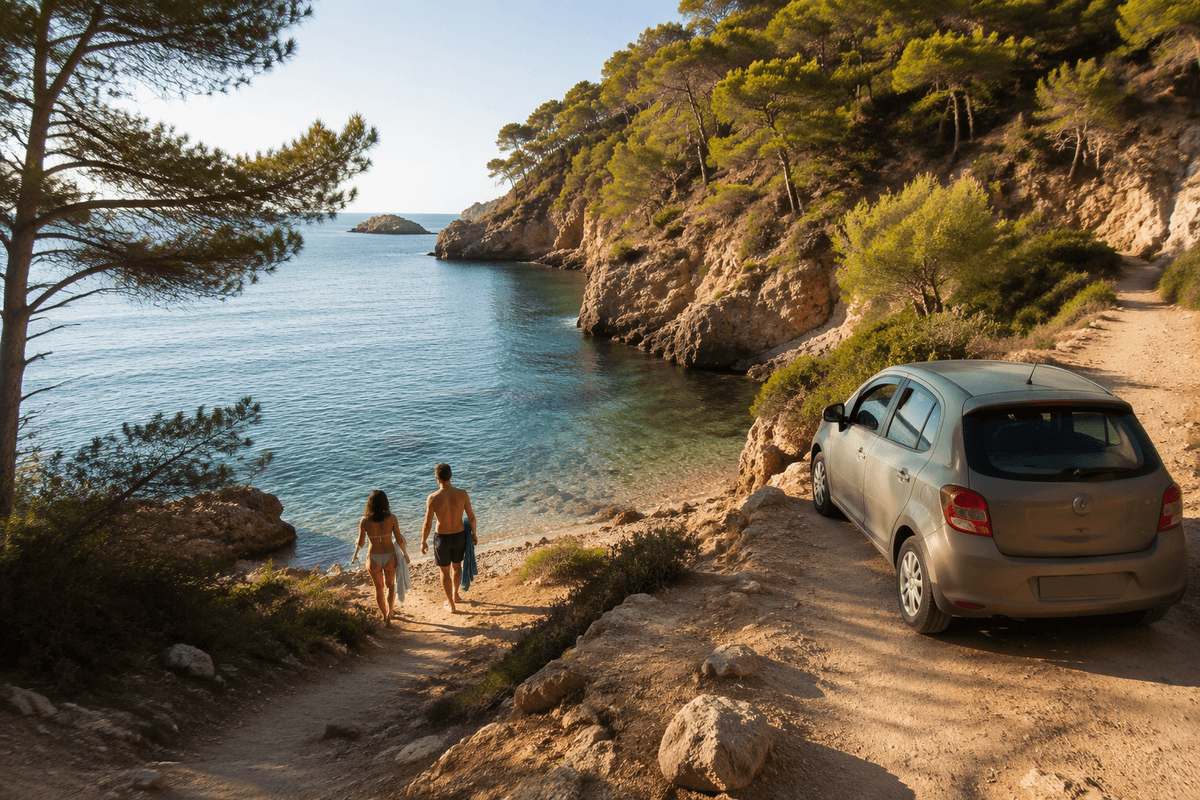
At 1:18 p.m., you’re standing on a platform with a tote bag full of sunscreen and a lukewarm espresso, watching the departure board flicker between “on time” and “delayed.” The coast looked like a simple add-on in your map—one blue pin after another—but the reality is that beaches run on daylight, wind, and the last train back. A swim day that starts late doesn’t just feel shorter; it turns into a slightly stressed race for towels, shade, and a dinner reservation that isn’t a tourist conveyor belt.
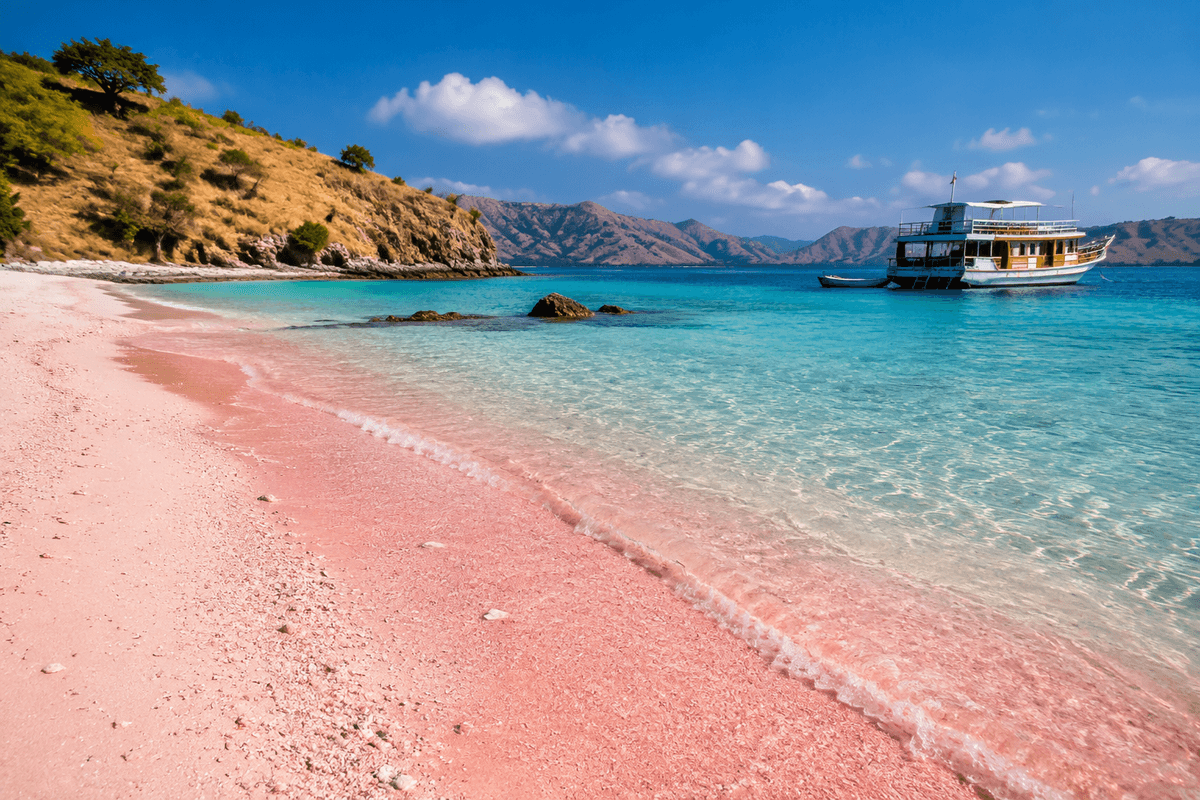
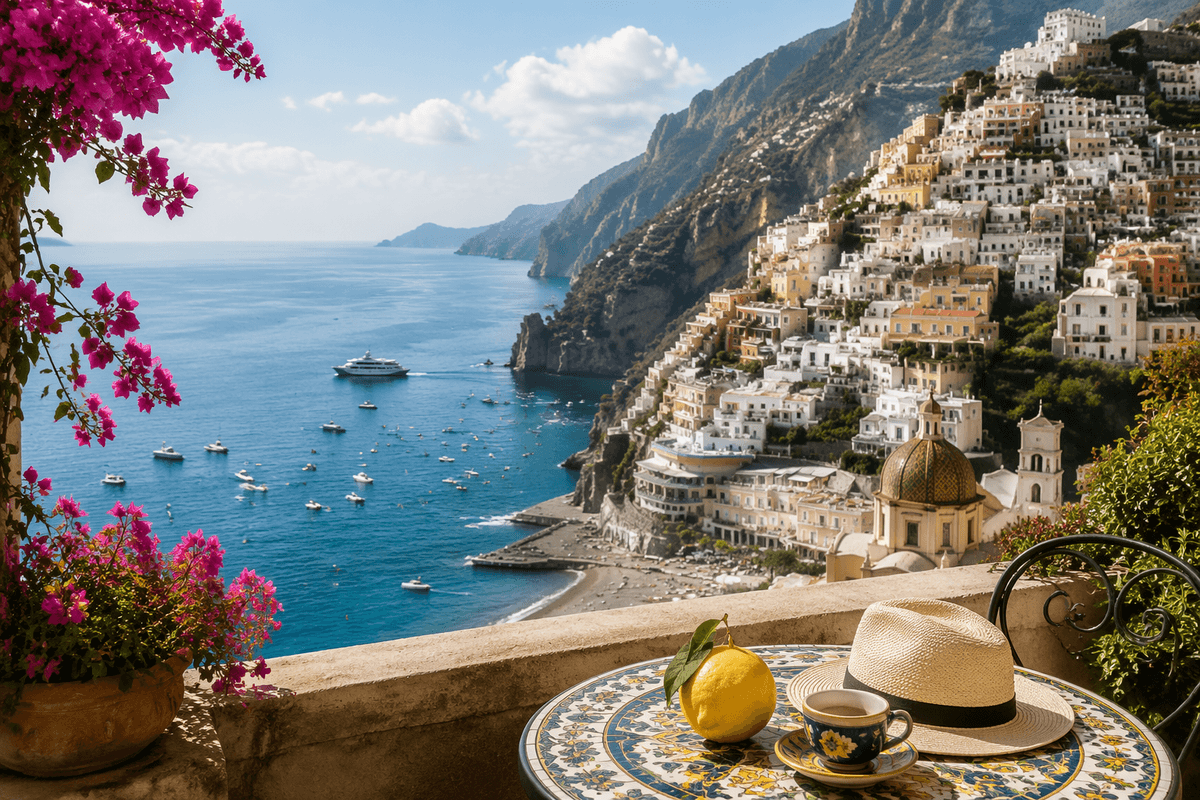
If you want “worth it” without paying Amalfi-level prices, think Lisbon’s beaches via Cascais (easy rail, but breezy water) or the Algarve (better sand, more transit commitment) rather than trying to force a quick coastal cameo between big cities. Nice gives you Riviera access with strong logistics—airport, trains, day trips—but the pebbly beaches and peak-season density can feel more practical than dreamy. For warmer water and a slower rhythm, Mallorca can beat many mainland options on swim satisfaction, yet you’ll trade spontaneous wandering for flight times and the friction of needing a car for the best coves.
Italy’s coast is gorgeous and also a scheduling sport: Cinque Terre works if you’re fine with rocky entries and early trains; it punishes late sleepers because the paths and platforms bottleneck by midday. Greece can be the cleanest “sun-and-swim” value (islands reward a 3–4 night block), but ferries are a real constraint—weather and timetables decide your mood. If your trip is 10 days, pick one coast that matches your tolerance: rail-easy (Nice/Cascais) or postcard-water (Greece/Mallorca), and let that choice protect the rest of your route from transit creep.
Big landscapes when cities feel crowded
At 4:36 p.m., you’re halfway up a cathedral tower, ankles tired from cobblestones, and the view is mostly rooftops plus a line of people waiting for the same “best photo.” It’s not that the city isn’t beautiful; it’s that your brain hits a saturation point where one more ornate façade feels like noise. Big landscapes work like a reset button, but they come with their own friction: weather windows, earlier trains, and the reality that “close on the map” can mean two slow connections.
If crowds are your main fear, Switzerland (Lauterbrunnen/Wengen or Zermatt) is the cleanest mountain payoff, and also the priciest—worth it when you’ll actually hike and ride lifts, less so if you mainly want scenic cafés. The Dolomites can feel more dramatic per euro than the Alps, but they’re car-friendly by design; without a rental, you’ll trade spontaneity for bus timetables and fewer trail choices. Scotland’s Highlands (base in Inverness or Fort William) give you cinematic drives and short hikes that still feel “big,” yet you’ll lose time if you try to wedge them between two continent-hopping cities.
For a lower-effort landscape hit, consider doing “edges” instead of deep wilderness: Salzburg with a day into the lakes or mountains, Munich with a day trip that’s scenery-forward, or Barcelona with Montserrat when you want altitude without moving hotels. This works best for couples who’d rather swap one museum day for fresh air than rebuild the whole itinerary around nature; if that’s you, let the landscape stop be the slower half of your two-stop plan and protect it with an extra buffer night.
How to pick your best two stops
At 12:22 a.m., you’re staring at two tabs: a Paris hotel that’s €60/night more than you planned and a flight into Lisbon that lands at 6:10 a.m. The impulse is to “fix” it by adding a third stop, because more pins feels like more value. That’s usually where a 10-day trip quietly starts leaking time—especially once you price in transit meals, late check-ins, and the energy tax of constantly re-orienting.
Pick your two stops by choosing one “anchor” and one “release valve.” The anchor is where you’ll tolerate friction (museum lines, iconic neighborhoods, higher prices) because the payoff is uniquely strong for you; the release valve is where you’ll win back walkability, spontaneous dinners, and a calmer daily rhythm. A simple rule that protects mid-range budgets: if the move between cities isn’t a single train under ~4.5 hours, treat it like a travel day and plan fewer “musts” that evening.
If you want 12 genuinely worthwhile contenders that tend to feel less overhyped than the usual top-5: Porto, Valencia, San Sebastián, Bilbao, Turin, Bordeaux, Antwerp, Ghent, Utrecht, Bruges, Ljubljana, Split. They work best as the “release valve” (food, strolling, culture without peak-day crowd crush), while icons play better as the anchor when you can commit to early starts and pre-booking. If you’re stuck, choose the pair that gives you the easiest return to your hotel at night—because the days you remember are rarely the ones spent dragging a suitcase across town.



![Revolut <18 vs. GoHenry [Which Card is Better?]](static/image/2026/07/27/c4c57026-ec22-4205-ab23-bb45d5fbc986.png)