Why “nonperishable” pantry items still go bad
You open a bag of rice that’s been sitting forever and it looks fine—until the first whiff lands a little “stale,” or the cooked pot has a faint cardboard note you can’t un-taste. That’s the frustrating part of pantry staples: they often don’t fail loudly. They fade. And because they’re dry or shelf-stable, it’s easy to assume a date is the only thing that matters.
Most “nonperishables” change through slow, everyday chemistry and simple kitchen conditions. Oils in grains, nuts, and even some flours can oxidize over time, creating rancid flavors that show up as bitter, painty, or waxy smells. Dry goods can also pick up moisture—especially in warm cupboards or when a container gets opened and closed a lot—leading to clumping, dull flavors, and in some situations a higher risk of mold or pantry pests.
One jar of peanut butter can taste normal while the next, stored above the stove, seems off months earlier. Instead of treating pantry food like it’s “good until it isn’t,” it helps to notice the small signals—odor, color shifts, oily residue, bugs, or a cooked texture that suddenly feels wrong—and connect them back to time, heat, air, and humidity.
Oils, nuts, and seeds: freshness disappears first
The first clue is usually on your hands. You twist the cap on a bottle of oil or scoop a spoonful of nut butter, and there’s a faint “old” smell that wasn’t there when you bought it—something like crayons, paint, or dusty nuts. It can be subtle enough that you blame the pan, the garlic, even the dish soap, until the same note shows up again in a salad dressing or on toast.
Oils, nuts, and seeds tend to lose their best quality early because they’re built around fats, and fats react with oxygen over time. Heat and light push that along, and frequent opening adds fresh air each time, so the clock speeds up in a way that doesn’t feel dramatic day to day. With nuts and seeds, the surface oils are exposed in tiny layers; with ground flax, nut flours, and “everything bagel” seed mixes, there’s even more surface area, so the flavor can tip from toasty to bitter faster than you’d expect.
The rancidity doesn’t always look like spoilage. A jar can be clean, no mold, no bugs—just a muted flavor and a sharp aftertaste that lingers. If you keep noticing that waxy, drying sensation on the tongue, it’s often less about the recipe and more about a pantry fat that’s quietly moved past its prime.
Whole grains and flours lose quality surprisingly fast
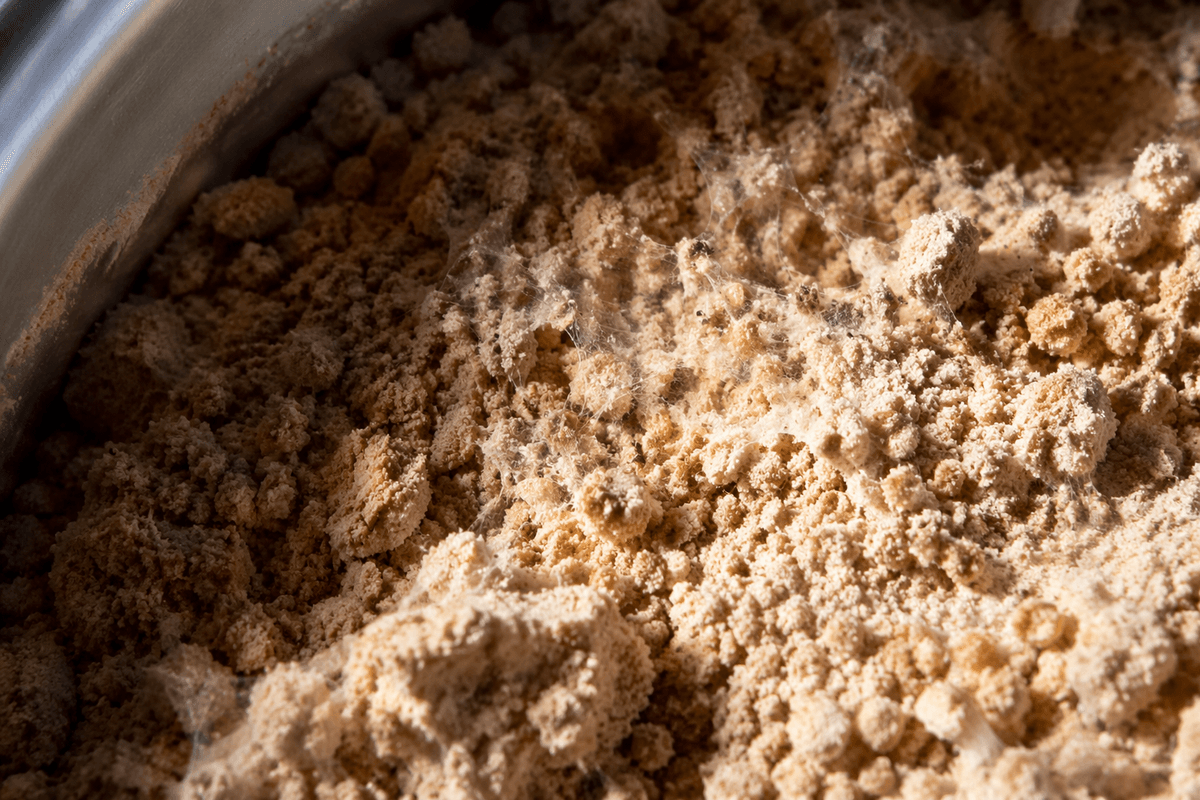
It usually shows up mid-recipe: you measure flour and it doesn’t fall like it used to. There are tiny lumps that won’t break apart, or a faint “dusty” smell rises from the bag even though it looks perfectly normal. With whole grains, you might not notice until after cooking—brown rice that should taste nutty comes out flat, or the pot smells a little like old crackers.
Whole grains and whole-grain flours carry more of the bran and germ, which means more natural oils sitting right next to air. Over months, those oils can oxidize and turn the flavor dull or slightly bitter, especially in a warm cupboard. Regular opening adds humidity, too, so flour can pick up moisture, clump, and pack down; it may also start behaving differently—baked goods spreading more than expected or tasting oddly “stale” even when the sweetness and salt are right.
One bag stays fine; another, stored near the dishwasher or over the fridge, seems “older” fast. When the smell shifts, the color looks a touch darker, or you spot webby bits or moving specks, it’s less about the printed date and more about what that grain has been breathing in.
Spices and dried herbs: potency fades before expiry
You shake the garlic powder and it comes out in a stubborn plug, then breaks into little damp pebbles on the cutting board. The food still tastes “seasoned,” technically, but you keep adding pinches, chasing the flavor you remember. It’s easy to assume the spice is fine because nothing looks rotten—just a jar that’s suddenly harder to use.
With dried herbs and ground spices, the first problem is usually potency, not safety. Aromatic compounds drift off every time the lid comes off, and warm cupboards speed that fading. Ground spices lose their edge faster because more surface area sits exposed to oxygen; leafy herbs go papery and bland, and old chili powder can taste more dusty than hot.
Moisture makes the decline messier. Steam from a pot, a damp spoon, or storage near the stove can lead to clumping and a dull, almost “cellar” smell. If you’re doubling oregano to taste it, or cinnamon smells faint unless you bury your nose in the jar, that’s often the quiet sign the pantry isn’t lying—it’s just getting tired.
Baking essentials that quietly stop performing well
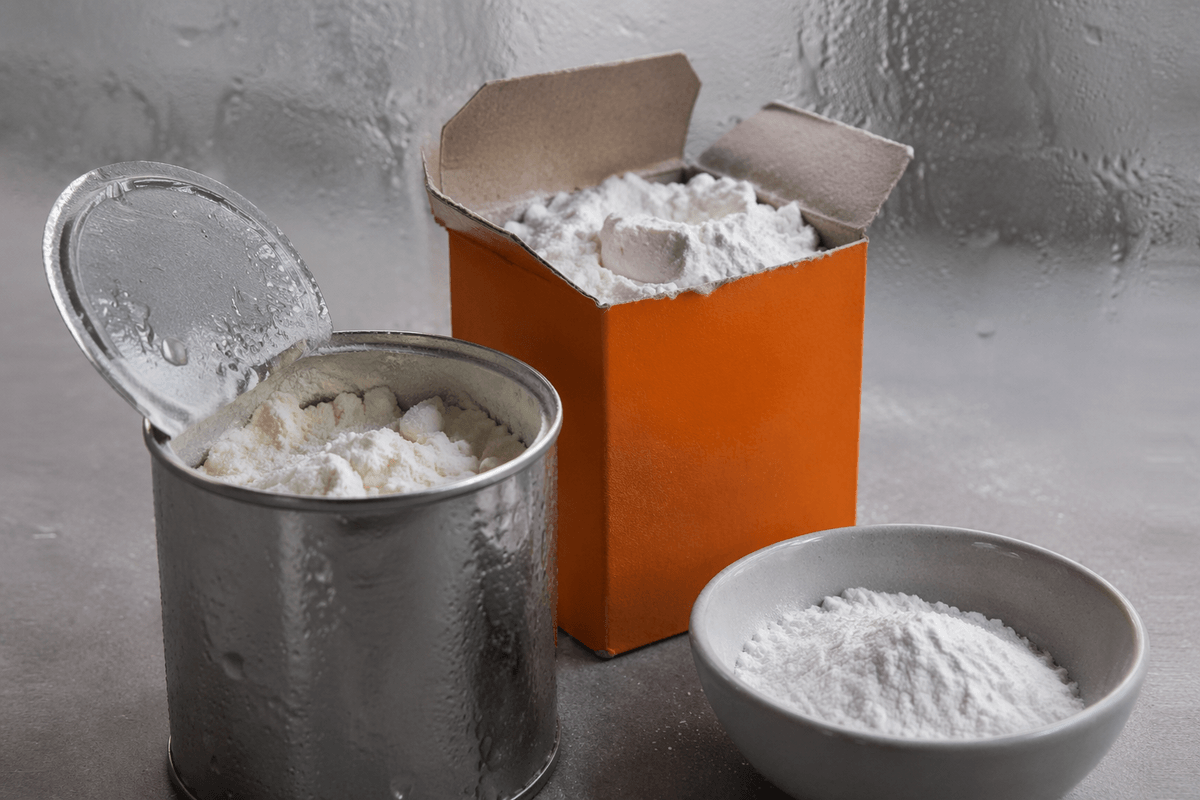
You don’t always notice it until the batter looks a little wrong. The pancake mix seems thicker than usual, or a cake that “always works” bakes up flatter, with a tight crumb that feels more gummy than tender. Nothing smells spoiled, so it’s tempting to blame your measuring or the oven—until the same thing happens again.
Leaveners are the quiet culprits. Baking powder can lose lift as its acids and base react slowly with humidity in the air; baking soda can dull if it’s been sitting open, absorbing odors and moisture. Even if they’re still safe to eat, their performance can fade, so you get less rise and more dense chew.
Sugar and brown sugar fail differently: they pull in moisture, clump, and harden. A rock-hard bag isn’t “bad,” but it often means the pantry has been humid enough to change how easily your ingredients blend, which can show up as gritty pockets or uneven spreading.
Canned and jarred goods: safety versus taste tradeoffs
You twist open a jar of pasta sauce that’s been in the back of the cupboard for ages, and the seal still gives that reassuring pop. But when you tip it into the pot, the color looks a shade darker than you remember, and the smell is a little flatter—less bright tomato, more “cooked down” and sweet. It’s an odd disconnect: it feels safe, yet it doesn’t taste fresh.
With canned and jarred goods, the tradeoff is often quality first, safety later. Over time, heat and oxygen slowly dull flavors and aromas, and delicate notes (like herbs in sauce or the snap in pickles) fade. Acidity can soften textures, too—beans turn chalkier, fruit gets mushy, and canned meats can pick up a more metallic edge. None of that guarantees a problem, but it does explain why an older can can be technically fine and still disappointing.
A little darkening or separation may just be storage time; sharp sourness, fizzy bubbling, mold, or a broken seal is a different category. If you find yourself hesitating before you taste, that hesitation is often your best signal to treat the pantry like a rotation system, not a time capsule.
Storage habits that speed up expiration without noticing
The giveaway is often where you set things down. A bottle of oil that lives beside the stove, a flour canister parked over the dishwasher, a spice jar that sits within reach of steam—everything still looks “stored,” yet it’s quietly being warmed, lit, and humidified in small doses. You may not notice day to day, but those repeated little hits can make a six-month ingredient act like it’s a year old.
Heat and air are the main accelerators: warm cupboards speed oxidation, and frequent opening refreshes the oxygen that keeps rancid flavors creeping forward. Humidity does its own damage by making powders clump and by nudging dry foods toward that dull, basementy smell that people often mistake for “just stale.” Clear containers can add another twist—light exposure that fades spices and makes delicate fats taste tired sooner.
The front jar gets opened and replaced; the backup behind it sits untouched, absorbing odors and slowly changing until the day you need it. When something suddenly tastes flat, bitter, or oddly musty, it’s often less about the brand and more about that quiet routine of where it lived and how often it had to “breathe.”









![Revolut <18 vs. GoHenry [Which Card is Better?]](static/image/2026/07/27/c4c57026-ec22-4205-ab23-bb45d5fbc986.png)