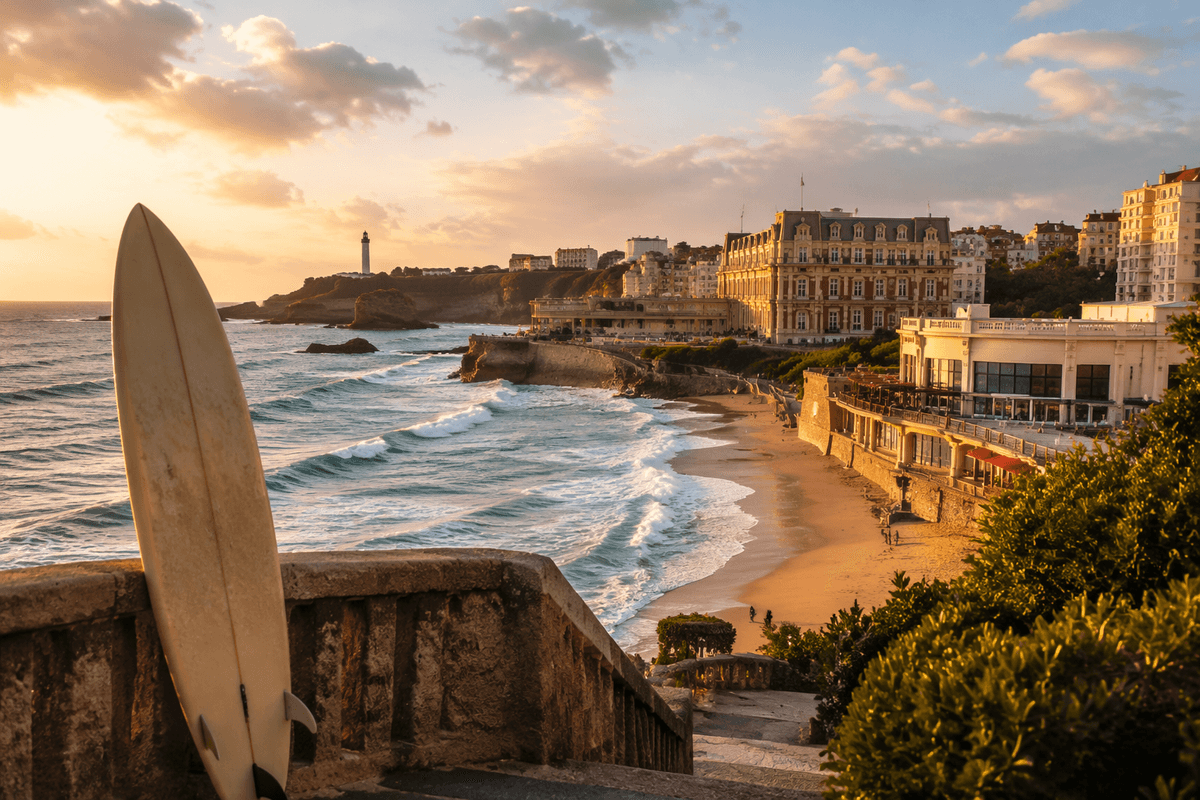
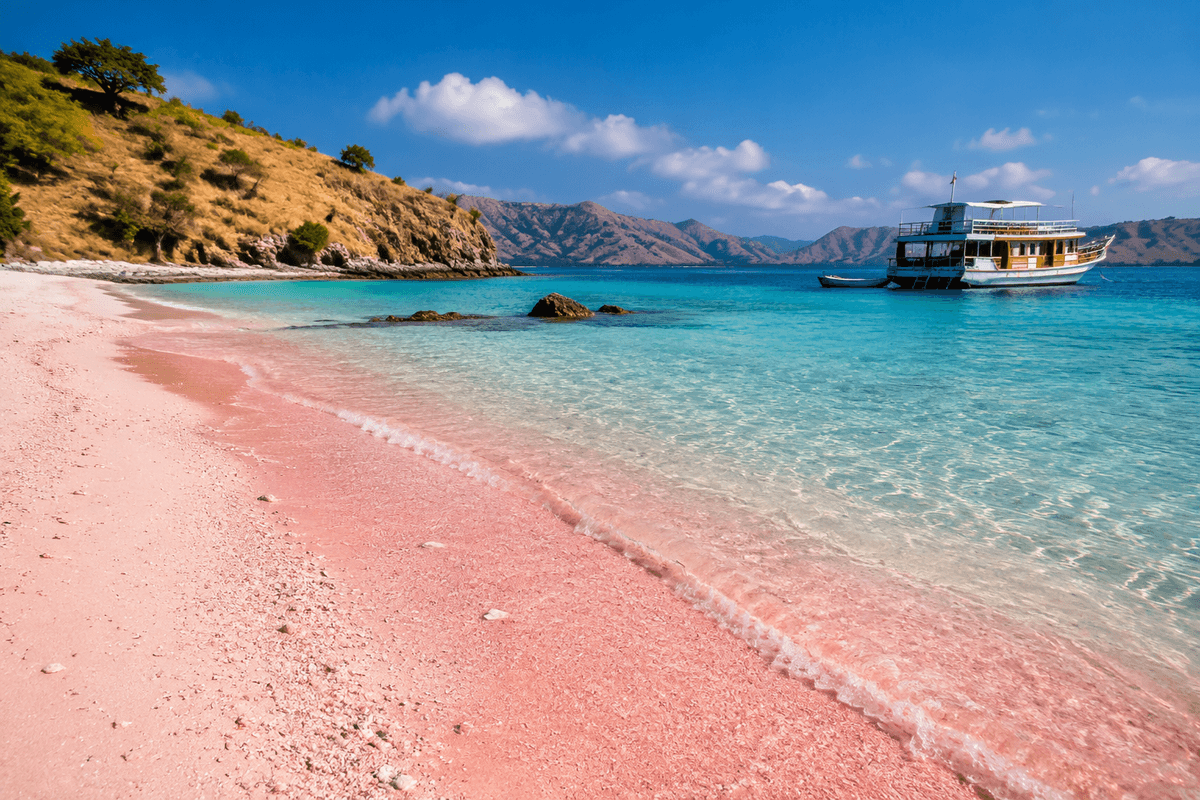
Why split eight days between St. Barth’s and Anguilla?
The first decision point came while staring at flight options: if we put all eight days in one place, we’d simplify logistics, but we’d also lock ourselves into a single “mood” for the whole trip. St. Barth’s is compact and polished—easy to stack beaches, boutiques, and a great dinner in one day—but that convenience comes with higher prices and a reservations-first rhythm that can feel like work if you’re trying to fully exhale.
Anguilla, by contrast, is where the calendar slows down. The beaches feel broader and less performative, and it’s easier to have a low-stakes day that still feels like you “did something.” The catch is that nightlife and shopping are thinner, and if you’re the kind of couple that gets restless by day three without a change of scenery, you’ll start manufacturing plans (which defeats the purpose).
Splitting the week—four nights St. Barth’s, then four in Anguilla—creates a built-in arc: start with energy and dining, then coast into quiet. You do pay a transit tax (time, baggage rules, and weather buffers), but you avoid the bigger cost: burning PTO on a trip that feels one-note.
Day 1: Arrive St. Barth’s, settle in. Dec: Must-do sunset stroll; Opt beach club; Skip long dinner.
Our first friction point hit fast: St. Barth’s arrivals have a way of turning “we’ll land at 2” into “it’s somehow 4:30.” Between baggage, a rental car handoff that can be breezy or painfully slow depending on how many flights land together, and the narrow roads that punish overconfidence, Day 1 is not the day to schedule anything that requires punctuality. We kept the goal small—check in, figure out where the nearest groceries are, and do a five-minute test drive to confirm we understood the one-way bits before committing to a bigger loop.
The must-do was a sunset stroll, not a sunset “plan.” Pick somewhere you can execute even if you’re tired: a quick loop around Gustavia’s harbor (easy, minimal stairs, works in sandals) or a short beach walk if you’re staying closer to St. Jean. It’s the right kind of payoff for the effort you’ve already spent getting here—pretty, low-commitment, and forgiving if you’re running late. The only constraint is parking: arrive early or accept a slightly longer walk.
If you still have energy, a beach club works well on arrival day because you can buy yourself a soft landing—lounger, shower access, no decisions beyond “rosé or water.” But we skipped the long dinner, on purpose. Between travel dehydration and the island’s reservations-first dining rhythm, a two-hour meal can feel like you’re working on your first night instead of settling in.
Days 2–3: St. Barth’s beaches + villages. Dec: Must-do Gouverneur; Opt Gustavia shopping; Skip rushing coves.
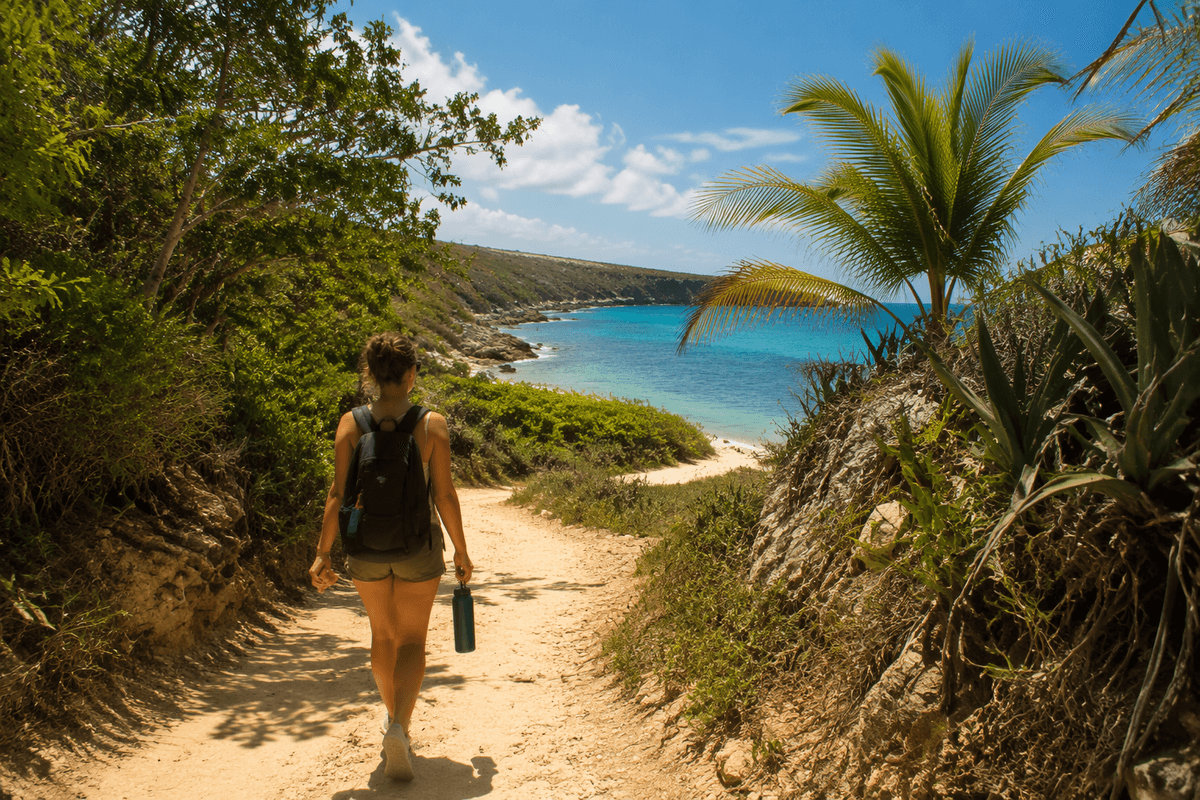
On the first full morning we made the mistake of thinking, “It’s a small island—how hard can it be to squeeze in three beaches?” The roads are the quiet spoiler: short distances, yes, but lots of switchbacks, slow scooters, and parking lots that fill in a way that doesn’t match your mental map. We reset the goal to one anchor beach per day, and that immediately made St. Barth’s feel less like a checklist and more like a place.
Gouverneur was the non-negotiable. It’s the beach that still reads “dreamy” even when you’re being picky—clear water, clean curve of sand, and enough space to feel private-ish if you arrive earlier. The constraint is that it’s not a service beach: no club infrastructure to hide behind, and the walk down (and back up) is easy until you’re carrying too much. We went light—water, a snack, minimal gear—and it paid off when the breeze picked up and we weren’t married to a full-day setup.
For the village piece, Gustavia shopping works best as a late-afternoon slot, not a midday mission. The light’s better, the harbor loop is pleasant, and you can roll it into dinner if you’ve booked something—just don’t assume you’ll “pop in” without parking drama. What we skipped on purpose was rushing coves: St. Barth’s tempts you with endless little turnoffs, but stacking them burns time in the car and leaves you arriving at each beach exactly when it’s most crowded.
Day 4: Transfer day to Anguilla. Dec: Must-do early ferry/flight; Opt lunch stop; Skip late-night plans.
The transfer day is where the “small islands” myth falls apart. Even though St. Barth’s and Anguilla look close on a map, you’re really stitching together two systems—St. Barth’s to St. Martin, then St. Martin to Anguilla—with luggage rules, immigration lines, and taxi timing all stacked in between. We treated it like a travel morning, not a beach day: early departure (ferry or short flight) bought us the one thing you can’t pay for later—buffer. When we priced it out, the faster options (private boat or flight segments) weren’t just about comfort; they reduced the odds of arriving stressed and making a bad “where should we eat tonight?” decision.
If you go the ferry route, the friction points are predictable: queues at immigration, sporadic taxi availability at the exact moment multiple boats land, and midday heat turning every extra errand into a slog. We kept bags minimal-access (passports, chargers, swim stuff on top) and planned a single “checkpoint” on St. Martin—either a quick lunch in Marigot/Grand Case or a simple airport-style meal—because trying to be ambitious here is how you miss a connection.
Once you reach Anguilla, resist the urge to book a big first-night dinner. Even when everything runs smoothly, the day has a way of stealing your patience, and Anguilla rewards arriving calm. We aimed for an easy check-in, a short sunset look at the water near wherever we were staying, and an early night—because tomorrow is when the island actually starts paying you back.
Days 5–7: Anguilla’s slow luxury rhythm. Dec: Must-do Shoal Bay; Opt snorkeling; Skip island-hopping.
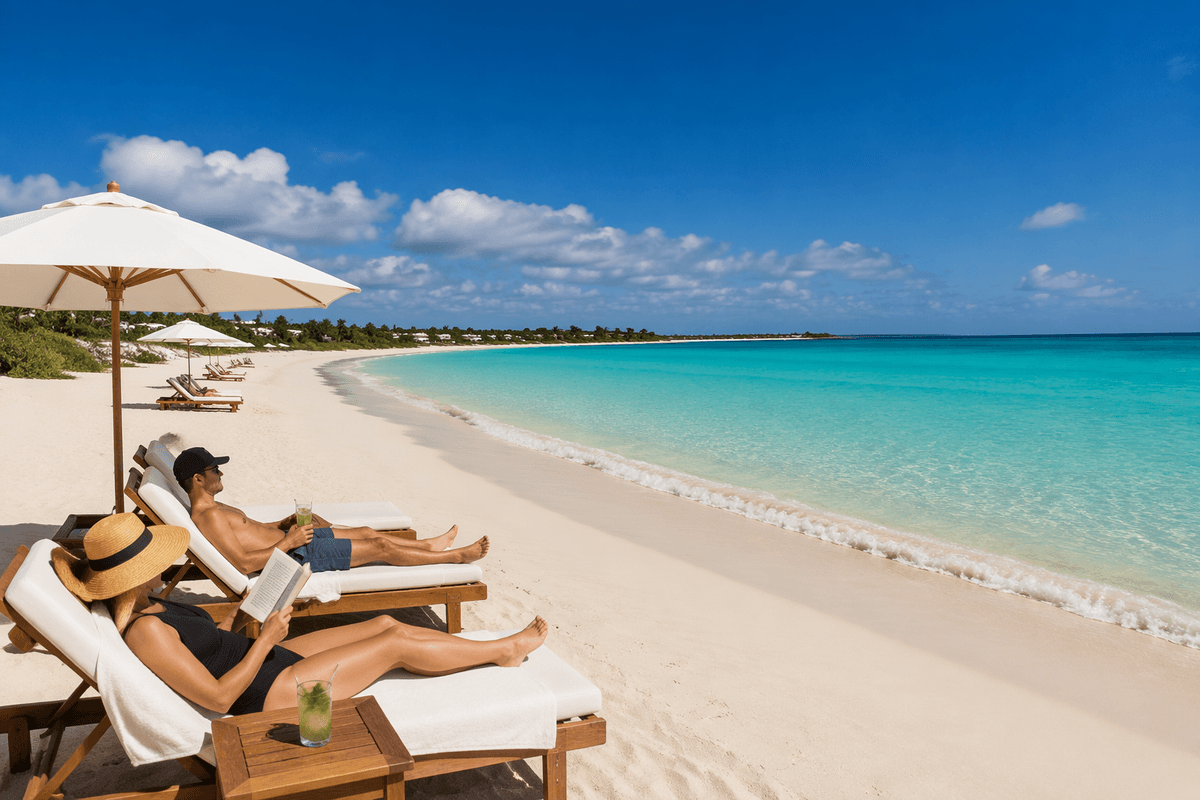
The first morning in Anguilla, we tried to “optimize” the day—breakfast here, beach there, quick stop in between—and immediately felt how wrong that was for this island. Anguilla works best when you pick a single stretch of sand and let the hours stretch with it, even if it means repeating yourself for three days. The practical constraint is transportation: if you don’t have a car, you’ll pay for that flexibility in taxi wait times and round-trip costs; if you do rent, you’re buying freedom but also committing to driving on the left and being sober-minded about nighttime roads. We kept it simple: one daytime plan, one dinner plan, and everything else stayed optional.
Shoal Bay was the must-do, not because it’s a secret (it isn’t), but because it’s the beach that delivers the “Caribbean splurge” feeling without demanding much from you. If you go earlier, you’ll feel like you have space; if you arrive after lunch, you may get a better scene but you’ll also be negotiating chairs, shade, and that low-grade annoyance of feeling slightly late. We treated it like a half-day experience and not a sunrise-to-sunset marathon—swim, read, snack, reset—because the sun can sneak up on you and turn day two into a recovery day if you overdo it. If the wind is up, the water can look choppier than you pictured, so don’t pin your entire mood on “perfectly flat” conditions.
Snorkeling is the cleanest “extra credit” activity: low time commitment, high payoff, and it scratches the itch to do something without breaking the slow rhythm. The catch is visibility and sea state—some days the ocean decides for you—so we built it as a yes-if-it’s-good decision rather than a reservation we’d resent. What we skipped, on purpose, was island-hopping. It sounds efficient on paper (“we’re already here”), but the real cost is psychological: packing day bags, watching clocks, adding another round of transit friction, and losing the whole reason Anguilla shines—days that feel unstructured but still somehow luxurious. By day seven, the repetition became the point: the same beach, a different light, and zero pressure to improve the plan.
Day 8: Farewell, reset, depart. Dec: Must-do final swim; Opt souvenirs; Skip packing panic.
The last morning, we almost skipped the swim because checkout logistics were already creeping into our heads—one eye on the clock, the other on the suitcase that somehow got fuller. That’s exactly why the final swim is the must-do: it’s the quickest way to turn “departure day” back into a vacation, even if you only have 25 minutes. We kept it close—whatever beach was most convenient to our base—because chasing the “best” sand on Day 8 is how you end up salty, rushed, and stuck behind someone driving 20 mph.
Afterward, we built a simple rule: packing happens in two passes, not one heroic session. Pass one is the night before (dirty laundry corralled, liquids zipped, airport outfit separated). Pass two is the morning (chargers, toiletries, last-minute wet gear) so you don’t have to choose between a calm breakfast and a frantic room sweep. If you’re tempted to do souvenirs, keep it targeted—one edible, one small object—because airport security plus fragile shopping is a bad combo when you’re already managing timing, taxis, and that end-of-trip fatigue.