Your Prague evening hinges on one choice
At 8:12 p.m., I stood on the edge of Old Town Square with a half-charged phone and a mental map that suddenly felt useless. The Christmas-light glow (even when it isn’t December) pulled one way, while a quieter tram stop and a darker side street pulled the other. It wasn’t fear exactly—more that split-second hesitation when you realize your evening can tilt “iconic” or “local” with one turn.
That’s the hinge: do you want your Prague night to be a scene or a base? A scene night means you accept crowds, higher prices, and a bit of choreography—tickets, timed entry, and the slow shuffle of people who all had the same idea. A base night trades headline moments for comfort: one good neighborhood bar, one dinner you actually linger over, and a route home you can repeat without thinking. Neither is morally superior; they just suit different energy levels at 9 p.m. versus 11:30.
For a mid-budget couple on a three-night break, it helps to choose one “we’ll book it” evening and protect the other two from friction. Shows and river cruises reward planning; spontaneous beer halls and wine bars reward flexibility. The constraint isn’t safety as much as fatigue and transit: Prague feels compact on a daytime walk, then stretches out when you’re hungry, a little turned around, and the last tram is suddenly relevant.
Pick your night vibe first
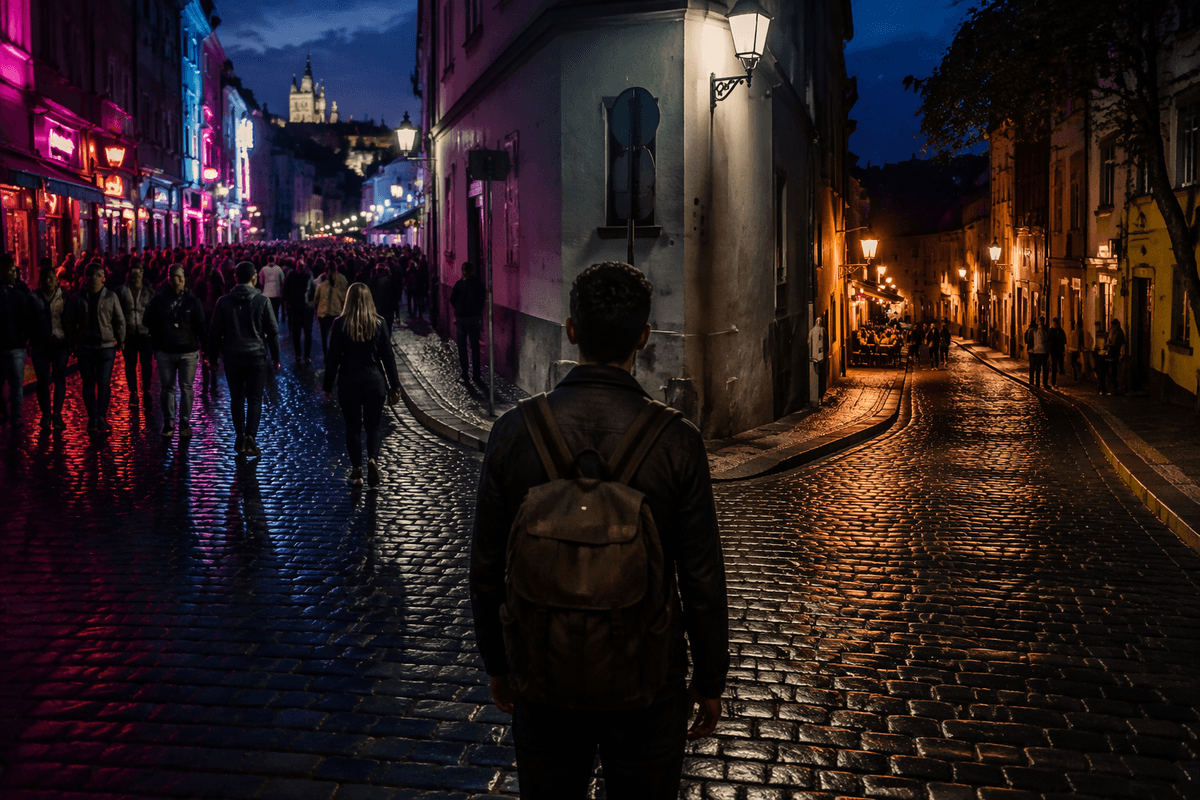
At 9:06 p.m., we hovered outside a neon-lit “Czech Folklore” doorway on Celetná, listening to an accordion through the glass while a host waved laminated menus like boarding passes. I checked the prices, then checked the crowd: tour groups filing in fast, couples drifting past slower, as if they’d already decided what kind of night they wanted. The moment felt small, but it was a fork—pay for a packaged vibe now, or keep walking and build one.
Prague is unusually good at rewarding an early call on mood, because the trade-offs show up within twenty minutes. If you want iconic, aim for a view-and-music evening: riverfront strolls, a set-time concert, a bar with a skyline angle—easy to execute, harder to improvise, and it works best when you’re willing to book and arrive on schedule. If you want local-feeling, choose a “two addresses” night instead: one neighborhood pub for unforced beer, then a second spot for something with sound (jazz basement, vinyl bar, small club). That version is cheaper and warmer, but it punishes indecision: wandering between options in the center can turn into crowd friction and cold hands before you’ve even eaten.
A headline show is great when you’re still crisp after a daytime itinerary; it’s less charming when you’re already footsore and calculating the night tram back. The tell: if you’re debating safety, pick well-lit routes and fixed plans; if you’re debating crowds, skip the square and let the night start one stop outward.
Start with a can’t-miss after-dark walk
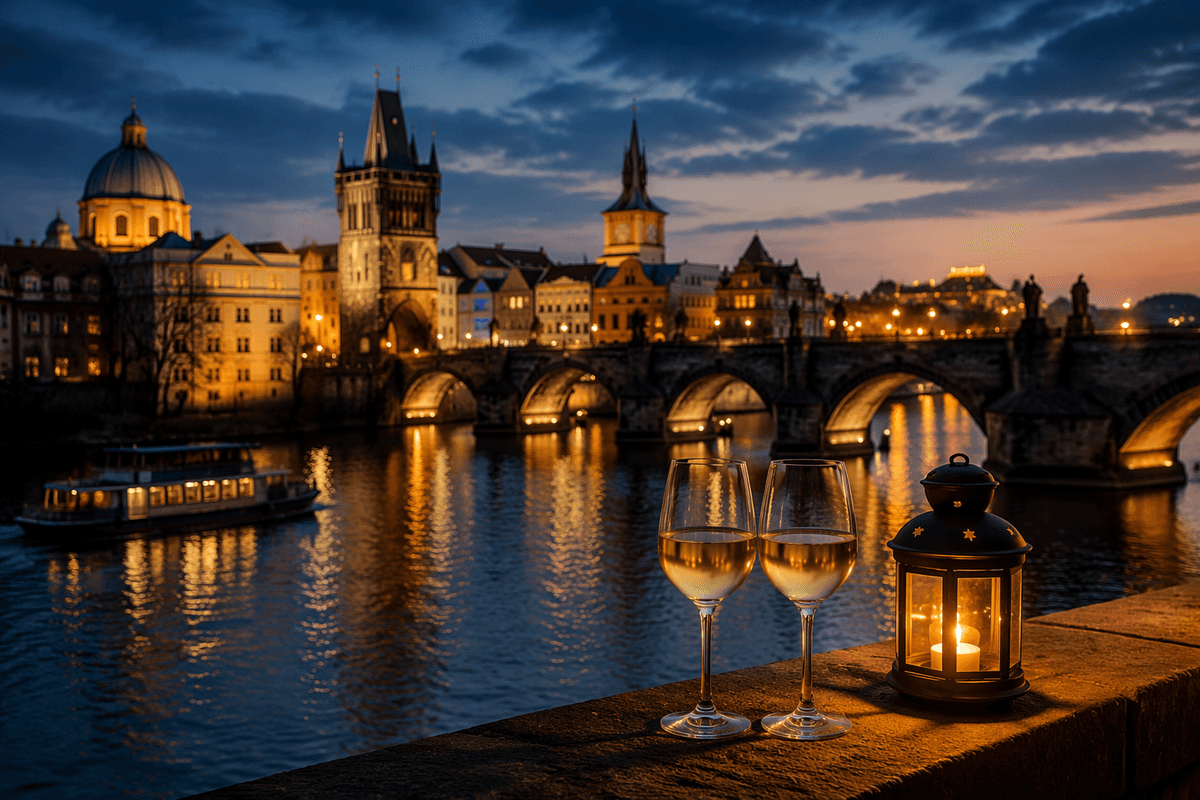
At 9:38 p.m., halfway onto Charles Bridge, I realized the “romantic” plan only works if you accept the human traffic. The lamplight was perfect and the river looked ink-black, but the pace was closer to a slow airport queue than a stroll. We ducked to the right-hand edge, let a cluster of selfie-sticks surge past, and suddenly the bridge felt usable again—more walk than attraction.
If you do one after-dark walk, treat it like a timed route, not a vague wander. Charles Bridge is iconic but least pleasant in the middle hours; it’s better earlier (before the densest groups) or later (when the buskers thin out and the cold clears the lingerers). From the Malá Strana side, the trade-off is stairs: cutting uphill toward the Castle viewpoints buys you quieter streets and better photos, but it asks for energy when you’re already carrying the day in your legs.
For a softer, more local-feeling version, keep the “water + lights” idea and swap the bridge crush for the riverbank: walk along the Vltava embankment and treat it as a moving pre-dinner drink window. It works best for couples who want atmosphere without committing to a ticket time; it’s weaker if you need constant landmarks to feel oriented. If you’re hesitating, choose one clear endpoint—a specific bar, tram stop, or dessert place—so the walk stays a walk, not an accidental marathon.
Choose one headline show or venue
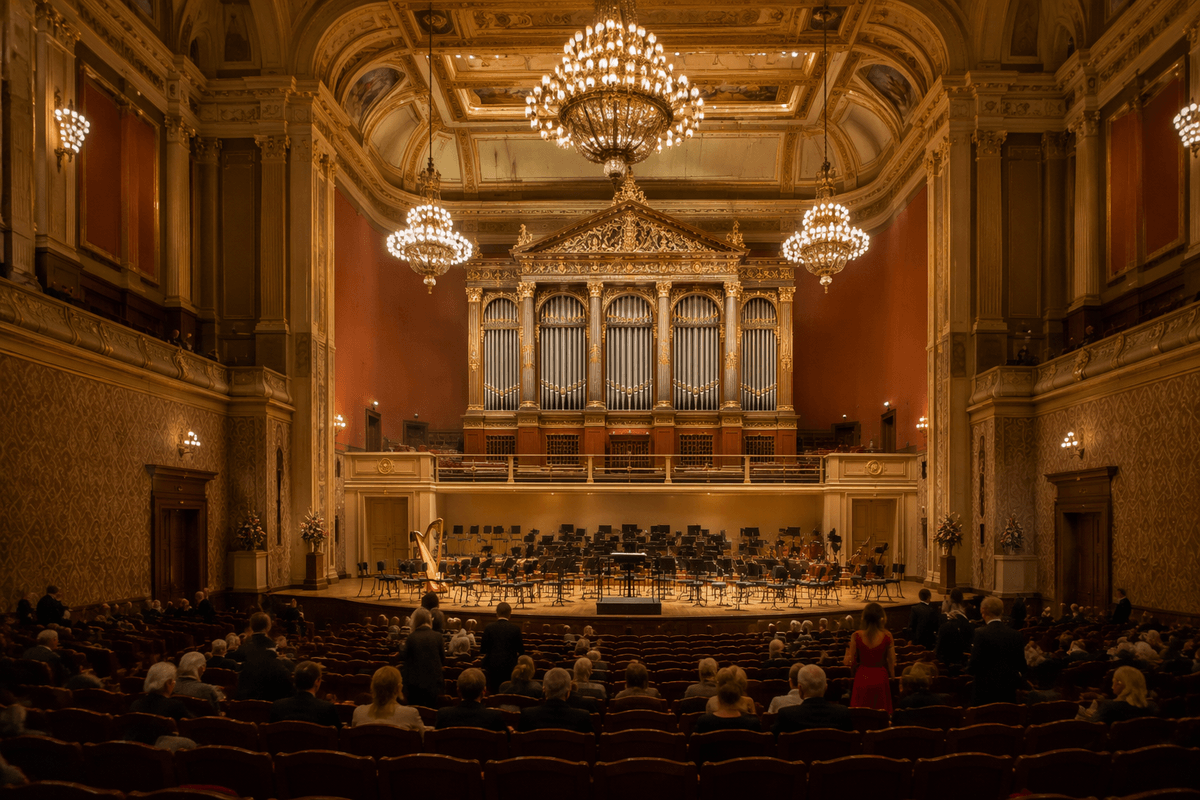
At 6:47 p.m., I tried to buy concert tickets on my phone with 12% battery left, standing under a streetlamp near Národní třída while a tram rattled by. The site kept timing out, and the “two seats together” option was already gone—suddenly my relaxed evening had a deadline. That’s the hidden cost of a headline plan: it’s calming once you’re seated, stressful right up to the moment you are.
If you pick one paid, timed thing in Prague, make it something the city is actually good at: a proper classical venue (Rudolfinum or the Municipal House) or a jazz club with a clear start time. The trade-off is simple—classical gives you the most “Prague” atmosphere per dollar, but it’s seated and early-ish; jazz is looser and later, but the best rooms are small, meaning you’ll feel the crowd if you arrive after the first set. Either way, book 1–3 days ahead if it’s a weekend or you care about seats together; last-minute works mainly for weeknights and flexible couples.
What I’d skip unless you knowingly want the easy version: “classical concert tonight” sellers in the Old Town core and dinner-show folklore bundles with too many tables and not enough air. If your energy is low, choose one fixed venue near your dinner area and commit—crossing the river at 11:30 p.m. can feel longer than it looks on the map, even when it’s perfectly safe.
Build the night around Czech food
At 7:58 p.m., we sat down in a room that smelled like roast pork and warm bread, and I watched two tables get turned away because they didn’t have a reservation—on a plain Tuesday, not even a holiday. The menu was bilingual, the beer list wasn’t trying to impress anyone, and the coat rack was already full. It was the first time all day Prague felt like it belonged to the people inside it, not the people passing through.
If your evenings are open, make food the “anchor” and let everything else orbit it. The classic Czech dinners skew hearty and slower, which works brilliantly if your headline plan is a later jazz set, and less well if you’re trying to squeeze in an 8 p.m. concert across town. Aim to eat either early (around 6) so you can stroll after, or late (after 9) so you miss the rush—mid-evening is where you pay with queues and rushed service. This approach suits couples who want atmosphere without constant decisions; it’s weaker if you need spontaneity in the Old Town core, where the most convenient addresses are also the most “menu-photo” tempted.
Order like you’re committing to a mood: one shared starter, two mains, then call it before it becomes an endurance sport. Svíčková (creamy sauce, dumplings, beef) and goulash are the cozy choice; roast duck is the celebratory one, but it can tip you straight into post-dinner fatigue. Pair it with a dark lager if you want dessert later, or a pilsner if you’re still planning to walk. When in doubt, reserve dinner near where you want your night to end, not where you started—Prague is safe, but “just one more tram” feels a lot longer at 11:15.
The best plan for first-timers
At 10:22 p.m., we paused at a tram stop with two routes on the pole and the same question in our faces: do we chase “one more view” or call it a night while we’re still enjoying ourselves? A couple beside us had clearly overcommitted—paper cups of mulled wine, tired silence, the kind of stare that says they’ll remember the photos more than the evening. That little hesitation is the moment to switch from wish-list mode to a plan that protects tomorrow.
For first-timers, the best night pattern is “one iconic, one local-feeling, then stop.” Night 1: do the after-dark walk (bridge or riverbank), then a booked classical concert or a proper jazz room—something with a start time so you don’t drift into overpriced Old Town menus. Night 2: anchor dinner in a neighborhood you can repeat (Vinohrady, Karlín, Smíchov) and keep it to two addresses: a Czech dinner, then a single bar with good beer and no sales pitch. Night 3: leave unbooked for weather and energy; that’s when a riverside drink or a low-key wine bar beats another “must.”
The friction to avoid is predictable: crossing the city late, and stacking two timed things. If you’re choosing where to spend your reservation capital, spend it on seats together (show) or a table at a place you’d be annoyed to miss (dinner), not on a generic cruise you can’t leave early. When you feel the night tipping from fun into logistics, pick the simpler route home and treat that as the win.