The real choice isn’t cruise or not
I hesitated with my cursor hovering over the “Reserve” button, a $500 deposit timer ticking down in the corner while the agent’s PDF listed “from $4,900” in bold. The fine print was quieter: park fees, transit card, wetsuit rental, tips—none of it folded into that headline number. Even the cabin photo felt like a trick of perspective, all wide-angle and no measurement.
The decision isn’t really “cruise vs. no cruise” so much as what kind of cruise day you can tolerate for 6–8 days straight. A cheaper boat can still deliver the same wildlife rules and the same islands, but it may trade space, noise, and a rougher ride for a lower fare—fine if you sleep hard and don’t get queasy, miserable if you need quiet and stable footing. If you’re chasing maximum wildlife time with limited vacation days, the boat is your hotel and your commute; upgrade money often buys smoother logistics, not “more animals.”
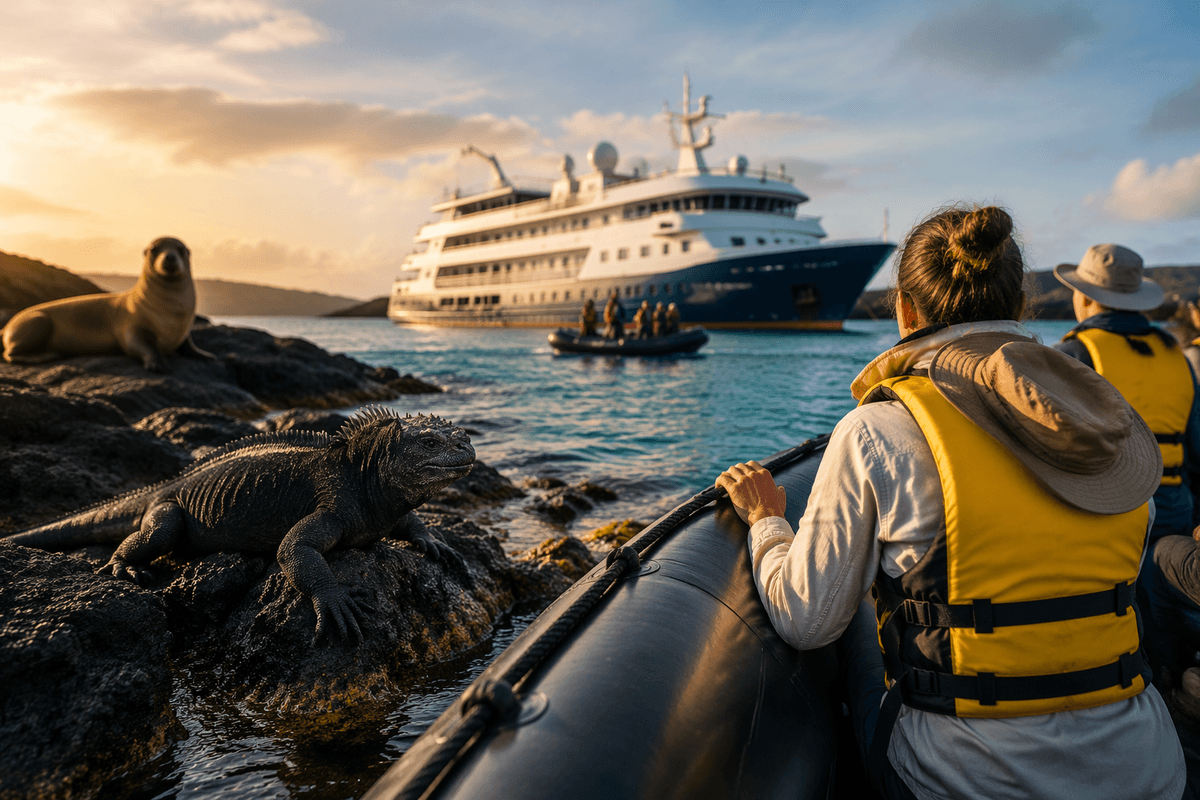
Expect early starts, wet landings, and a schedule that doesn’t care if you’re sore from yesterday’s hike. The premium you’re paying is partly for access and orchestration: pangas shuttling you in rhythm with park rules, guides managing distance and group flow, and meals appearing on time so you can do the second outing instead of hunting lunch in town. If that structure sounds comforting, lean into it; if it sounds constraining, that’s the real fork in the road.
Pick your boat, change your trip
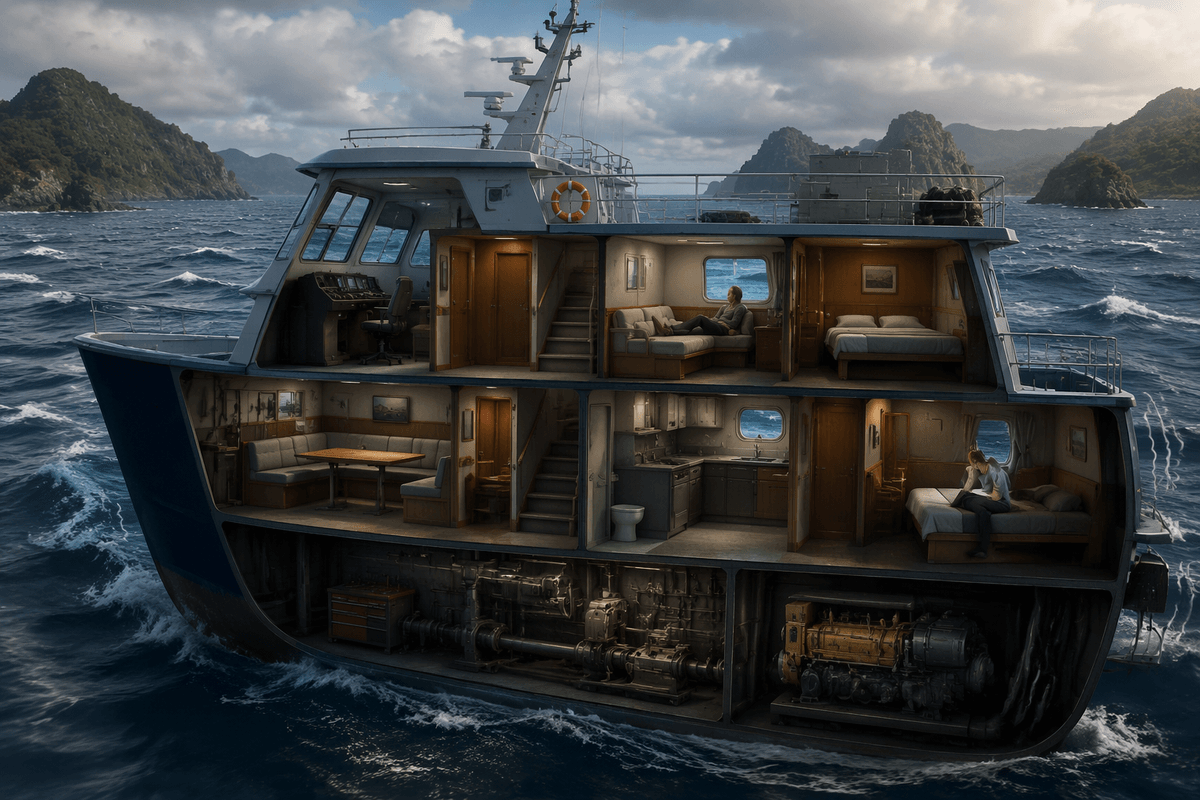
I stalled on the cabin selection screen because “Lower Deck Twin” sounded fine until I noticed it was the only category with no window, and the price jump to “Main Deck” was almost a round-trip flight. The agent’s notes said “same itinerary,” but the deck plan showed the generator tucked near the stern cabins. That’s when it clicked that you’re not just choosing a boat name—you’re choosing how your days feel at 5:45 a.m.
On paper, the wildlife rules stay constant across classes: group sizes, marked trails, distance from animals, and the guide-led pacing are the same whether you’re on a basic motor yacht or a small ship. What changes is the friction between outings. More stable hulls and better soundproofing don’t create “more wildlife,” but they can keep you functional for the second excursion when the sea kicks up between islands. If you’re even mildly prone to seasickness, a bigger vessel or a cabin midship can be the difference between snorkeling and staring at a saltine.
Look at what’s actually bundled, because “all-inclusive” often means meals and guided excursions, not the Galápagos National Park fee, the transit control card, wetsuit rental, or tips. Cheaper boats can be great for couples who pack light, nap anywhere, and don’t care about cabin time; they’re tougher if you need quiet, reliable hot water, or space to dry gear. If your vacation window is tight, paying for fewer logistical hiccups can be the most practical upgrade.
Wildlife encounters, up close and regulated
I froze mid-step on a black lava trail when a marine iguana exhaled right beside my boot, salt crusted on its snout like it had been dipped in flour. The guide lifted a hand—no whispering crowd, just a small, firm pause—and our line tightened into single file. I’d expected “wildlife everywhere” to feel like chaos; instead it felt choreographed, down to the two-meter buffer we weren’t allowed to negotiate.
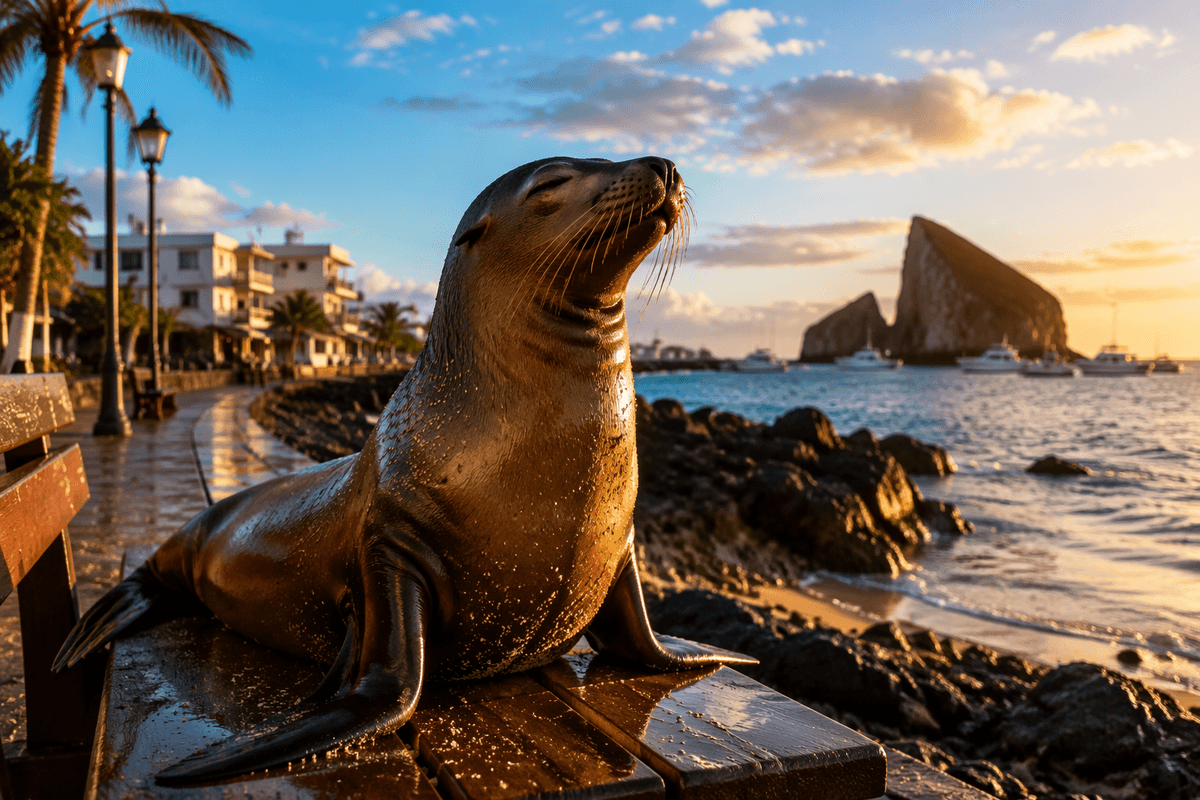
That regulation is the trade-off that makes the closeness possible. You’ll get absurdly near—sea lions dozing on benches, blue-footed boobies nesting at eye level—but it’s on their terms and the park’s: stay on marked trails, don’t step over animals even if it blocks your shot, no flash, no drones, no wandering off for “just five minutes.” It works best for couples who like a clear framework and don’t mind being told where to stand; it’s frustrating if you’re hoping for long, solitary photography sessions or a choose-your-own-pace hike.
Snorkeling feels freer, but it has its own constraints: timed entries off the panga, buddy rules, and a guide who’s watching the group more than your GoPro angle. Water temperature and current matter more than people admit—some days a wetsuit is comfort, other days it’s the difference between staying in for 40 minutes or shivering out at 12. If you’re paying for “maximum wildlife time,” remember that your stamina is the real limiter, not the number of animals in the bay.
Onboard life: comfort, food, seasickness
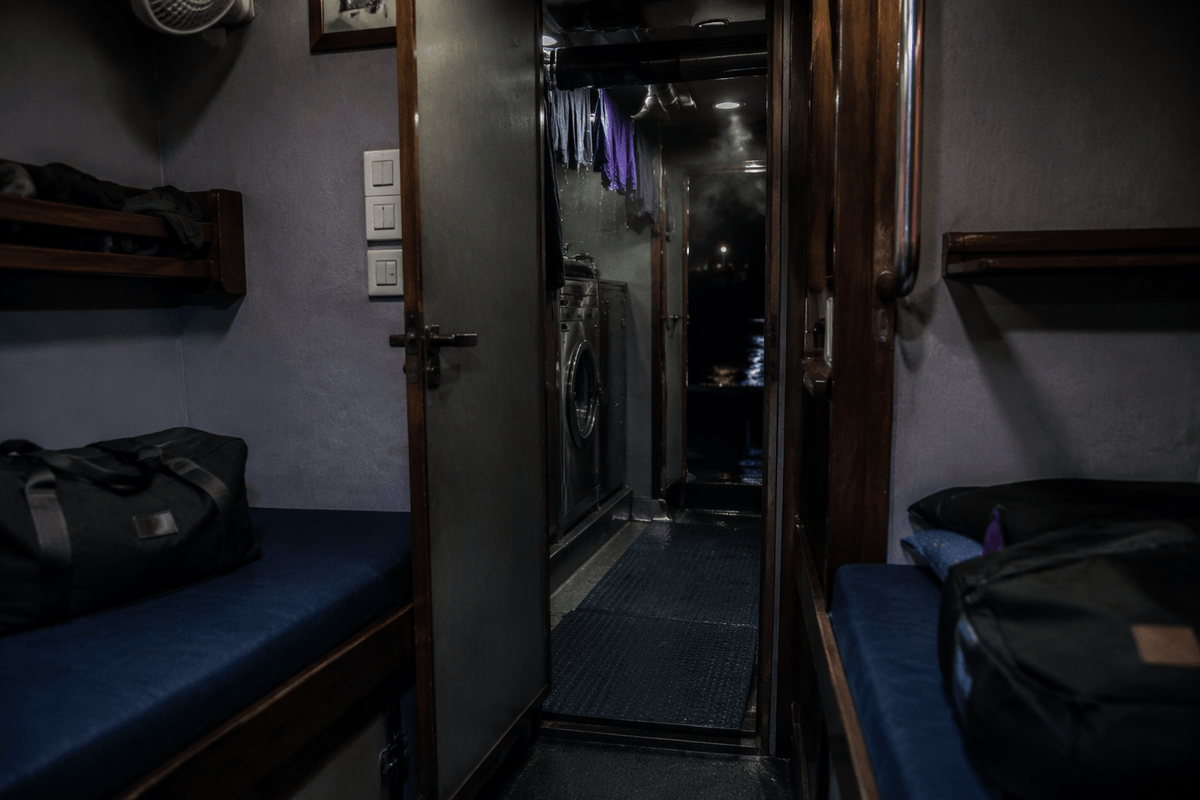
I hesitated at the cabin door when the engines changed pitch around 10:30 p.m., the kind of vibration you feel in your molars, not just your ears. Our lower-deck twin was cool and dark, but it was also a hallway away from the laundry room, and every clank traveled like it had a direct line to the pillow. A main-deck cabin would’ve meant more light and less diesel smell, but you pay for that upgrade in a way you notice back on the booking page.
Comfort onboard is less “luxury” than recovery: a hot shower that doesn’t turn lukewarm halfway through, somewhere to hang a dripping rash guard, and enough space to repack without playing suitcase Tetris twice a day. Food is usually steady—soups, rice, fish, fruit—built for people who are about to snorkel again, not a culinary tour, and that’s a fair trade if you care more about energy than romance. If you’re picturing leisurely dinners with long wine lists, mid-range boats can feel functional; if you’re fine with hearty and predictable, it’s a non-issue.
Seasickness is the silent itinerary editor. The same crossing can be “nap time” on a larger, steadier hull and “white-knuckle hour” on a smaller yacht, especially if you’re aft or low where motion and noise stack. It helps to plan like you might get queasy: pick midship if you can, take meds before you feel bad, and don’t schedule your one fancy camera moment for the day you’re horizontal. If you’re both even mildly prone, upgrading for stability can buy you more wildlife time than any brochure perk.
The plan that prevents rookie mistakes
The night before our first landing, I stood in the cabin doorway with a headlamp on, trying to label a damp-dry bag while the daily briefing sheet slid around the desk. “Panga 6:10,” it said, and suddenly my neat packing cubes felt like the wrong system. I’d brought too much cotton, not enough clips, and zero plan for what happens when your shoes are wet before breakfast.
The rookie-proof plan is boring on purpose: treat each day as two separate “mini trips” and reset your kit between them. Lay out one outfit that can get soaked (quick-dry top, shorts/leggings, water shoes) and one that’s strictly for the boat (dry clothes, light layer for windy decks), because mixing them is how you end up cold and cranky by outing two. If seasickness is even a “maybe,” take meds before the crossing you’re worried about, not after you feel awful—small boats punish late decisions. This approach works best for couples who value wildlife time over cabin lounging; it’s less fun if you want slow mornings or lots of outfit options.
Cost surprises are the other classic mistake: keep a small “last payments” stash ready for the park fee, transit card, wetsuit rental if you run cold, and crew tips, plus any bar tab that quietly grows over six nights. When you’re comparing quotes, ask what’s included in writing and what’s charged onboard, then pick the boat class that matches your tolerance for motion and noise—not your fantasy of “all-inclusive.” If you can answer those two questions calmly, you’ll board like you’ve done it before.




![Revolut <18 vs. GoHenry [Which Card is Better?]](static/image/2026/07/27/c4c57026-ec22-4205-ab23-bb45d5fbc986.png)