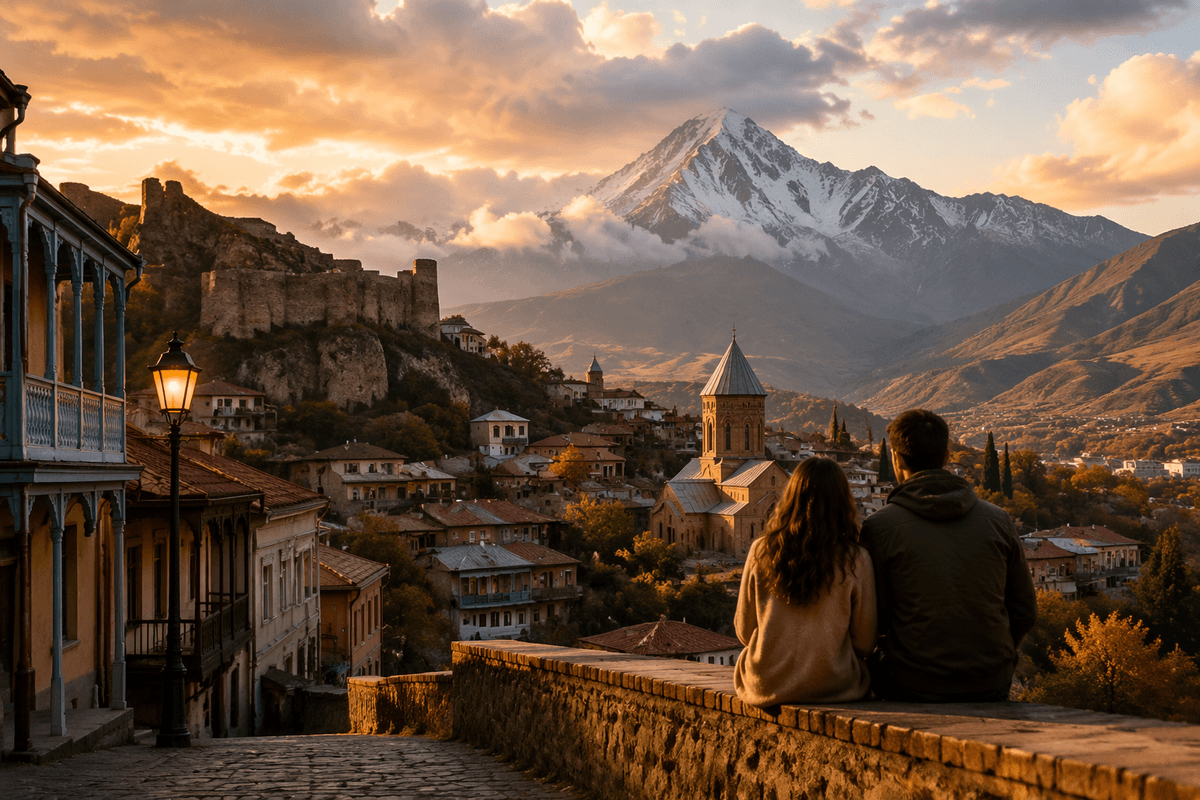
The mistake is treating Georgia as one trip
The moment I unfolded the creased paper map on the Tbilisi metro, the whole country looked like a tidy weekend loop—Kazbegi up north, Kakheti to the east, everything else just “later.” I hesitated at the ticket machine, staring at the 1 GEL coin in my palm, because the distances on paper felt smaller than the fatigue in my legs. By the time I’d done the classic Tbilisi–Stepantsminda–Sighnaghi swing, Georgia started to feel “done,” even though I’d barely left the edges of that triangle.
The mistake is thinking Georgia behaves like a single itinerary you can tick off in 7–10 days. That first trip often rewards efficiency: a day trip here, a marshrutka there, a few winery tastings stacked into one long afternoon. It works if you like big hits and don’t mind transit blur, but it quietly limits you—mountains and wine country start competing for the same daylight, and you end up choosing convenience over texture.
A second visit isn’t about repeating the highlights; it’s about admitting the country doesn’t compress well. If you’re traveling mid-budget, the trade-off is usually time, not money: saving on flights by returning, then “spending” your PTO on slower connections, weather swings, and meals that run long. If you want variety without feeling like you’re rewatching the same scenes, you’ll need to pick one lens—region, season, or theme—and let the rest wait without guilt.
Seasons change the whole country
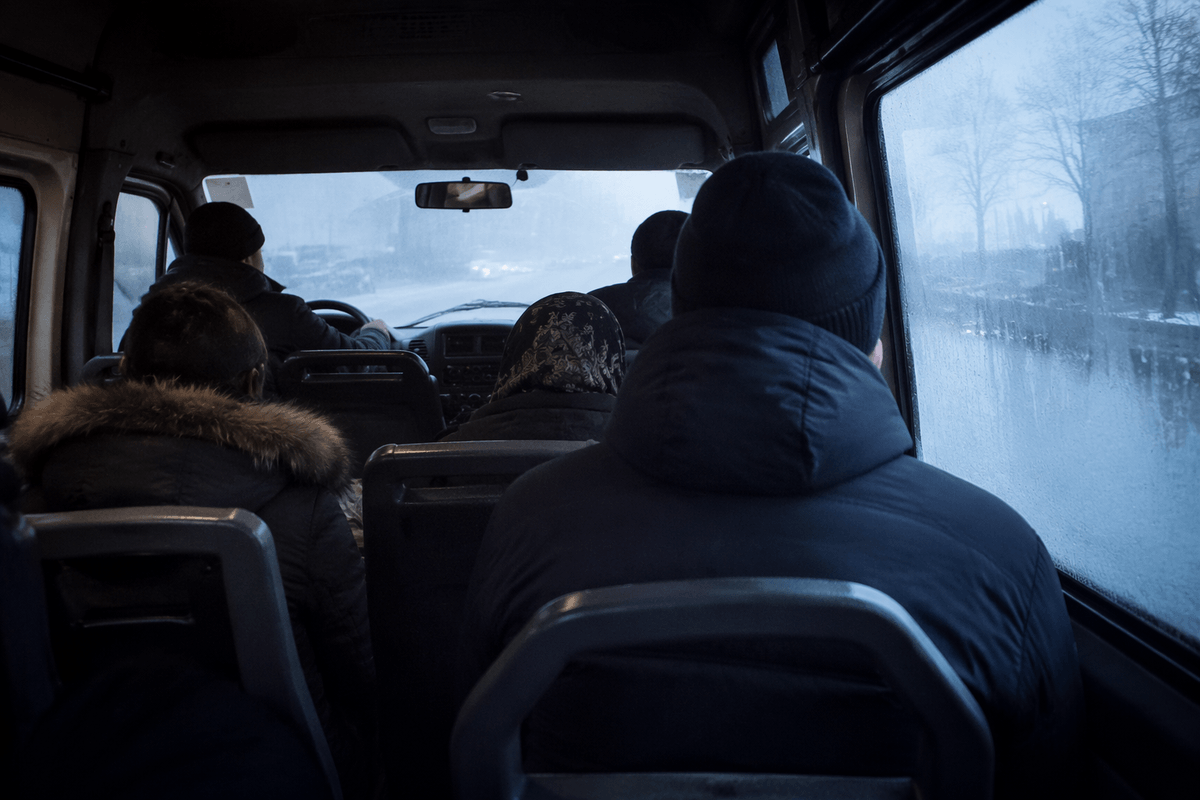
At 6:40 a.m. in Didube, I watched the minibus window fog over while the driver blasted the heater like it was January—because it was. I’d packed for “Tbilisi mild,” then stepped into air that made my phone battery sulk and my coffee go cold before the first sip. The same road north that felt like an easy day trip in September suddenly had margins: fewer daylight hours, slower curves, more stops.
Georgia’s seasons don’t just change the temperature; they change what a “good” plan even looks like. Winter makes the mountains feel closer than the Black Sea, but it also punishes loose timing—one late marshrutka and you’re arriving after dark, when guesthouses still feed you, but you’ve missed the view. Spring is the opposite bargain: rivers run loud, hills turn neon green, and trail conditions can be messy enough that a planned hike becomes a long, wet lunch instead.
Summer rewards coast-and-courtyard pacing—late dinners, shade hunting, swimming breaks—yet the trade-off is crowd flow in popular towns and a stickier kind of fatigue. Autumn, especially around harvest, is where repeat visits feel least repetitive: markets get heavier, wine tastings stretch, and you can justify staying put for two nights without feeling “lazy.” If you’re choosing between Georgia again or a new country, season is the lever—pick one that breaks your old rhythm on purpose.
Each region is its own itinerary
I realized it while hovering over the “buy” button for a Kutaisi flight at 11:58 p.m., watching the last cheap seats disappear. The website made western Georgia look like a simple swap—land, grab a taxi, start sightseeing—but the fine print was time: late arrivals, fewer buses, and that one missed connection that turns “two hours” into half a day. Compared with the Tbilisi–Kazbegi loop, the logistics feel less obedient.
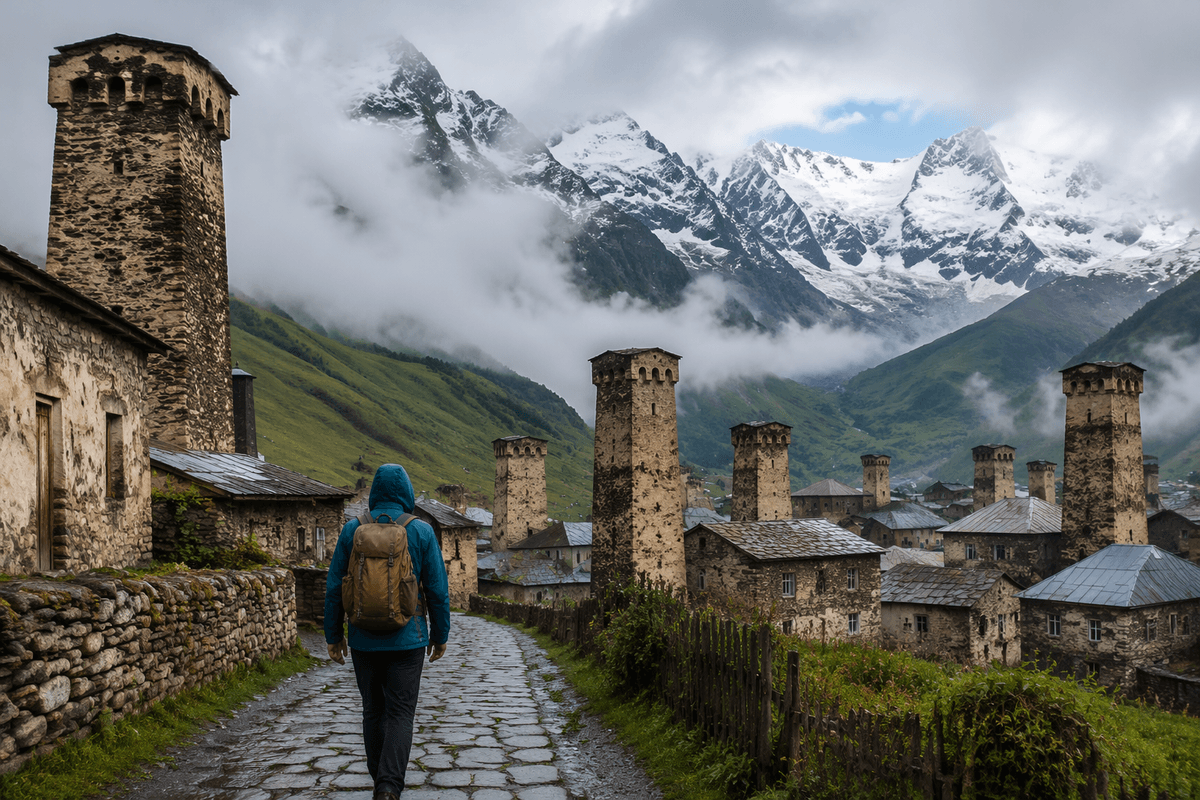
West Georgia rewards travelers who don’t need a mountain view every morning. Imereti and Samegrelo are about short drives between churches, markets, and long lunches, with Kutaisi as a practical base; it works if you want variety without altitude drama, but it won’t scratch the “big landscape” itch. Svaneti flips that trade-off—Mestia and Ushguli deliver the scenery, yet you pay in transit fatigue, weather risk, and the way a rainy day can erase your hiking plan.
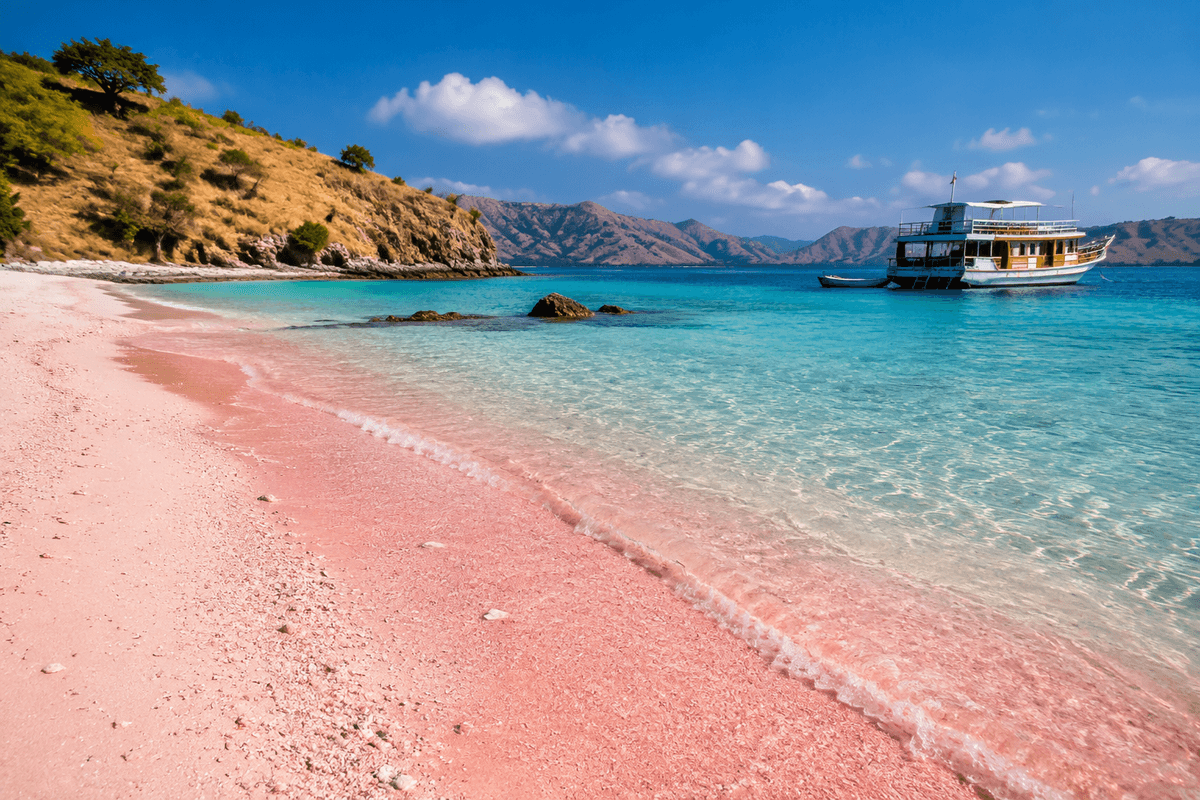
Then there’s the coast-and-south axis, which barely overlaps with what you did before. Adjara (Batumi plus mountain villages) suits summer pacing—late dinners, swimming breaks—but crowd flow and humidity make it less charming for museum-and-wine travelers. Samtskhe-Javakheti, by contrast, is cooler and quieter, with monasteries and high plateau roads that reward a rental car more than a marshrutka. If you want Georgia to feel new, pick one region and let it be “the trip,” not a detour.
Food and wine reward repeat visits
I almost booked the same “Kakheti full-day wine tour” out of habit, thumb hovering over the reserve button while the price jumped for weekend seats. The pickup was still 9:00 a.m., still a van, still a tasting lineup that looked efficient on a screen. What stopped me was the small-print timing: four wineries, one lunch, and exactly zero space for the kind of meal that makes you miss the next bus on purpose.
Food is where Georgia rewards a second visit, mostly because your palate starts asking better questions than your map. The trade-off shifts from “how many sights can I fit” to “how many hours can I afford to sit,” and mid-budget travelers feel that in two ways: you’ll spend less on attractions, more on extra plates and spontaneous detours. Kakheti is the obvious wine answer, but it’s also the easiest place to accidentally repeat yourself; going smaller—family marani tastings, fewer stops, staying overnight—beats speed-running labels you can’t remember.
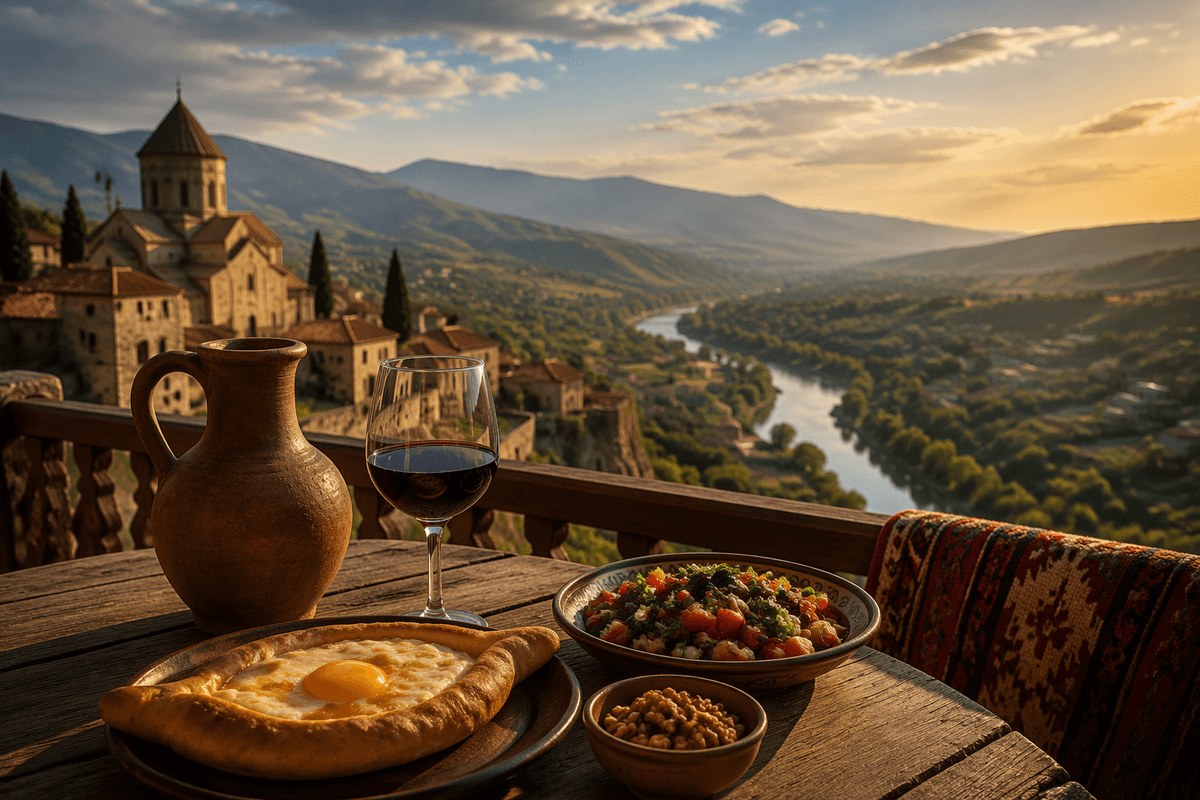
Western Georgia changes the flavor profile enough that it doesn’t feel like a rerun: Imeretian khachapuri is lighter than the Adjarian boat, Samegrelo turns up the heat, and even the “same” dishes arrive with different herbs and habits. It works best if you can tolerate imperfect logistics (later dinners, slower service, the occasional “come back tomorrow” market stall) and you’re willing to pick one base for two nights. If your first trip was a triangle, a second trip can be a table: fewer miles, longer meals, and wine that tastes like a region instead of a checklist.
A second visit unlocks the slow Georgia
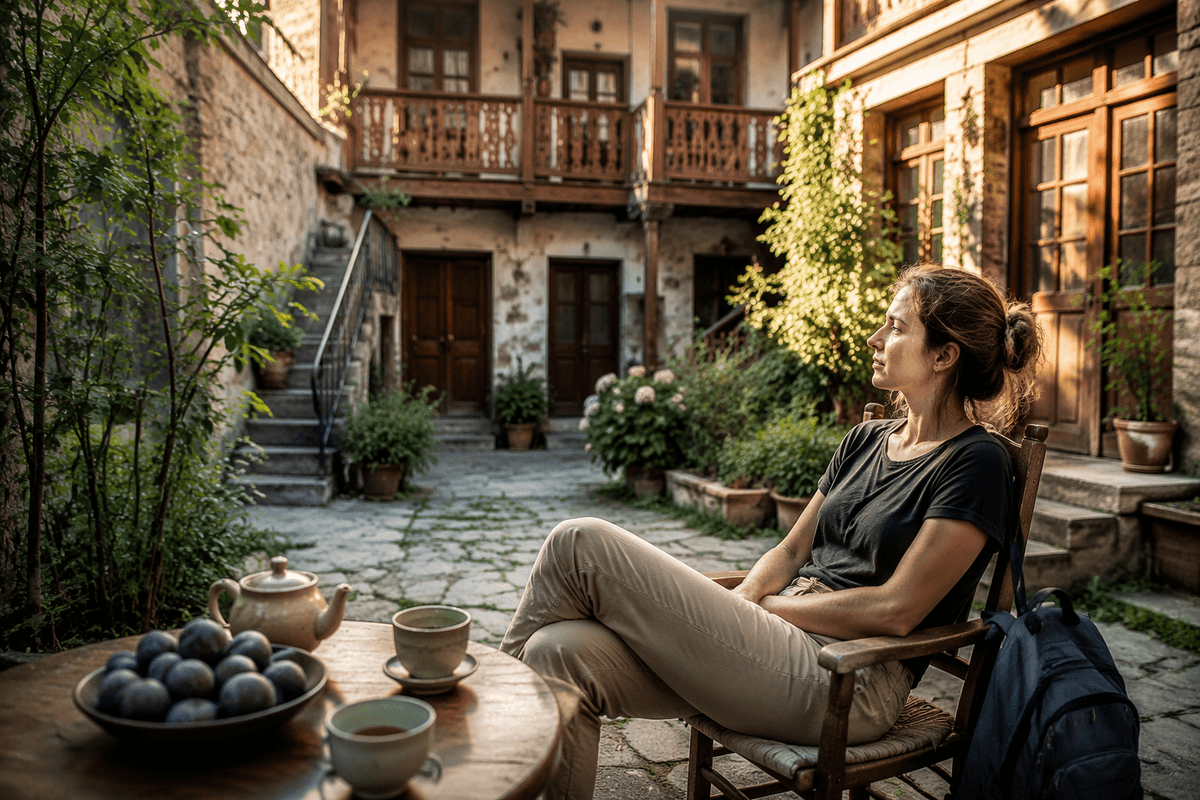
On my second trip, it was 4:15 p.m. and I was still in the same Kutaisi courtyard, arguing gently with myself about leaving for “one more church.” The host had put out tea and a bowl of plums like it was a given I’d be there awhile, and my daypack stayed zipped. Last time, that hour would’ve been a marshrutka gamble; this time, I let the light change and called it a plan.
That’s the slow Georgia you don’t really access on a first loop: not fewer sights, but fewer forced transitions. If you’re the type who needs a new view every morning, two or three nights in one base can feel like you’re “wasting” PTO. Yet it’s exactly what keeps a return visit from turning into a rerun: you start traveling by appetite and weather windows instead of by highlights. A rainy afternoon becomes a long supra, not a failed hike.
Practically, slowing down is also how you beat transit fatigue on a mid-budget rhythm. You can keep costs steady—guesthouses, simple taxis, market meals—while spending your real currency (daylight) more carefully: one region, one base, and one intentional day that stays unbooked. It works best for travelers who like history in small doses and food in long ones; if you’re chasing “all the big landscapes,” Georgia will still tempt you back onto the highway.
How I’d plan your second trip
At 7:12 a.m., I stood in the Avlabari bakery line with warm lavash steaming through the paper, realizing I was about to make the same mistake again: committing to a loop before I’d even had breakfast. My phone showed a Kutaisi train time that looked friendly, but I knew a single late departure can swallow your best museum hours. That little hesitation—eat first, decide second—ends up being the difference between “repeat trip” and “new trip.”
If you have 7–10 days, I’d plan a second visit as two bases, not four: 3 nights in Tbilisi (for old town mornings, museums, sulfur baths, and day trips you can cancel for weather), then 4–6 nights in one region you skipped. West (Kutaisi + day trips into Imereti/Samegrelo) is the lowest-transit way to feel variety; it suits food-and-history travelers and doesn’t demand perfect forecasts. Svaneti is the opposite bargain—bigger landscapes, higher risk—so I’d only do it if you can tolerate a “lost” day to rain or road timing without feeling cheated.
I’d keep the middle of the trip intentionally underbooked: one full day with no tickets, no drivers, no promises. Use it to follow the small signals—market day, a local festival poster, a host’s suggestion—because that’s what you can’t replicate in a new country on a first visit. If you’re still torn, pick the region that forces different hours than last time: coast-and-late dinners, plateau-and-early starts, or west-and-long lunches, then let that rhythm decide for you.




![Revolut <18 vs. GoHenry [Which Card is Better?]](static/image/2026/07/27/c4c57026-ec22-4205-ab23-bb45d5fbc986.png)