Mestia isn’t about seeing everything—it’s choosing right.
I stalled on the cobbled lane by the central square, phone map glowing at 7:42 a.m., while a low cloud folded itself over the ridge like someone pulled a curtain. A driver nodded toward a van and said “Ushguli,” and for a second it felt like a simple yes/no. Then a gust pushed drizzle sideways and my “quick decision” turned into a backpack-on, backpack-off hesitation.
Mestia punishes the checklist mindset more than bigger places do: distances look tiny, but time stretches. A tower museum that’s “just 20 minutes” becomes an hour once you’re waiting for it to open, swapping wet layers, and realizing you still want decent light for photos. The same trade-off shows up with hikes—two shorter valley walks can beat one ambitious outing if clouds are sitting low, while a clear morning can make a longer push feel strangely easy.
For a solo traveler booking beds last-minute, treat each day like it has one main bet and one fallback. The main bet is either a signature hike (that needs early legs and stable weather) or a cultural deep-dive day (towers, small museum stops, slow wandering) that works even when the mountains don’t. If you’re on the fence about a guide, decide by terrain and visibility, not pride: in fog or after rain, “obvious trail” and “safe return” stop being the same thing.
Start with the town’s tower-core
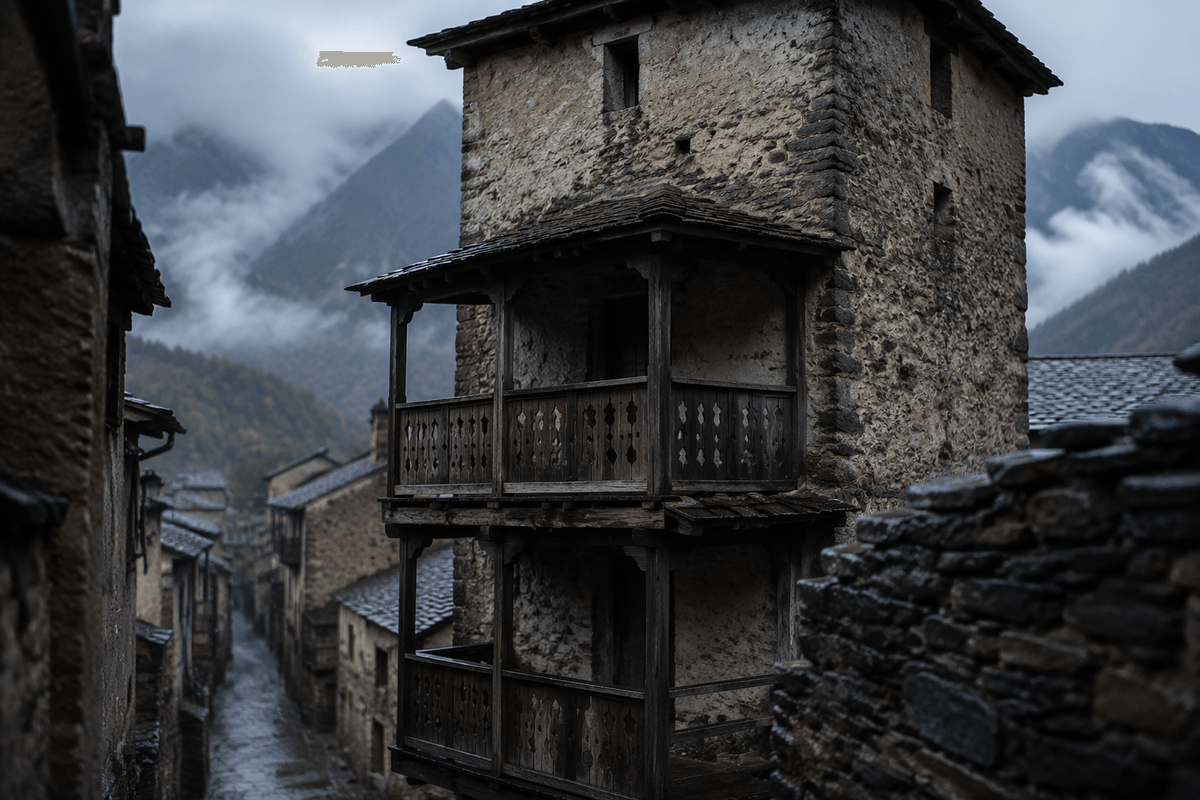
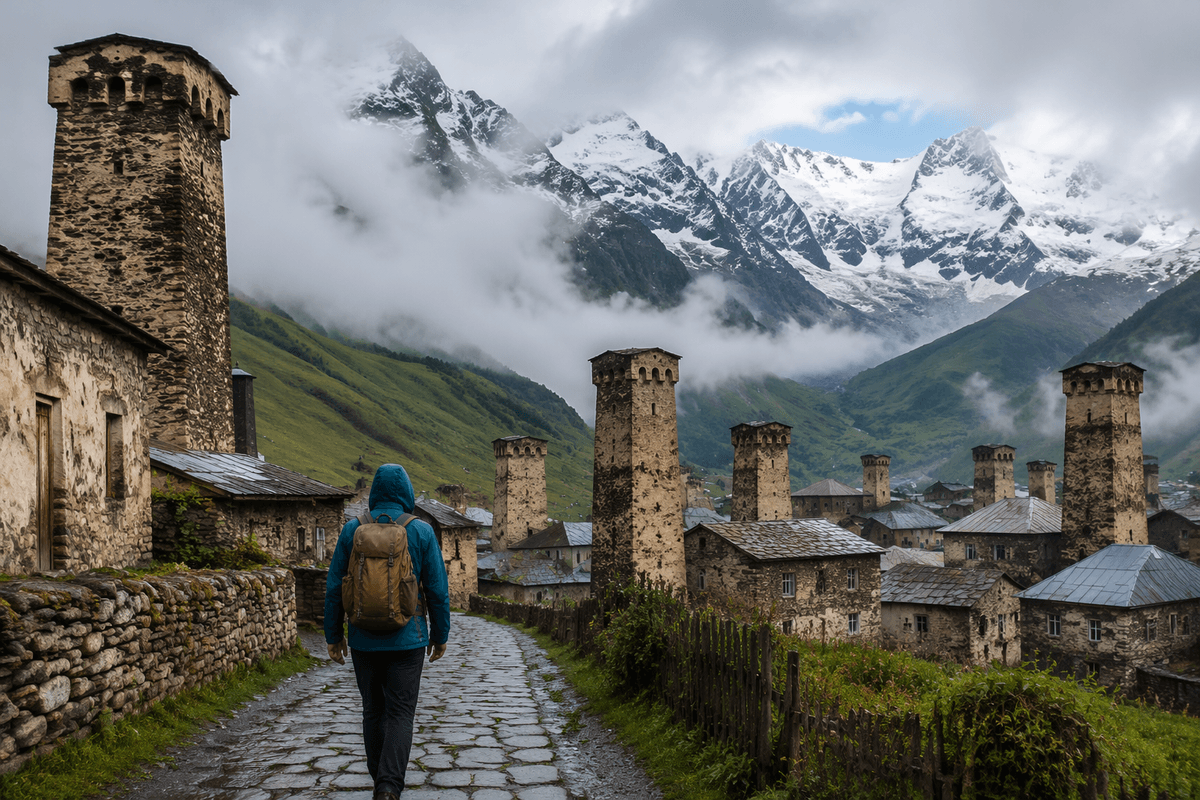
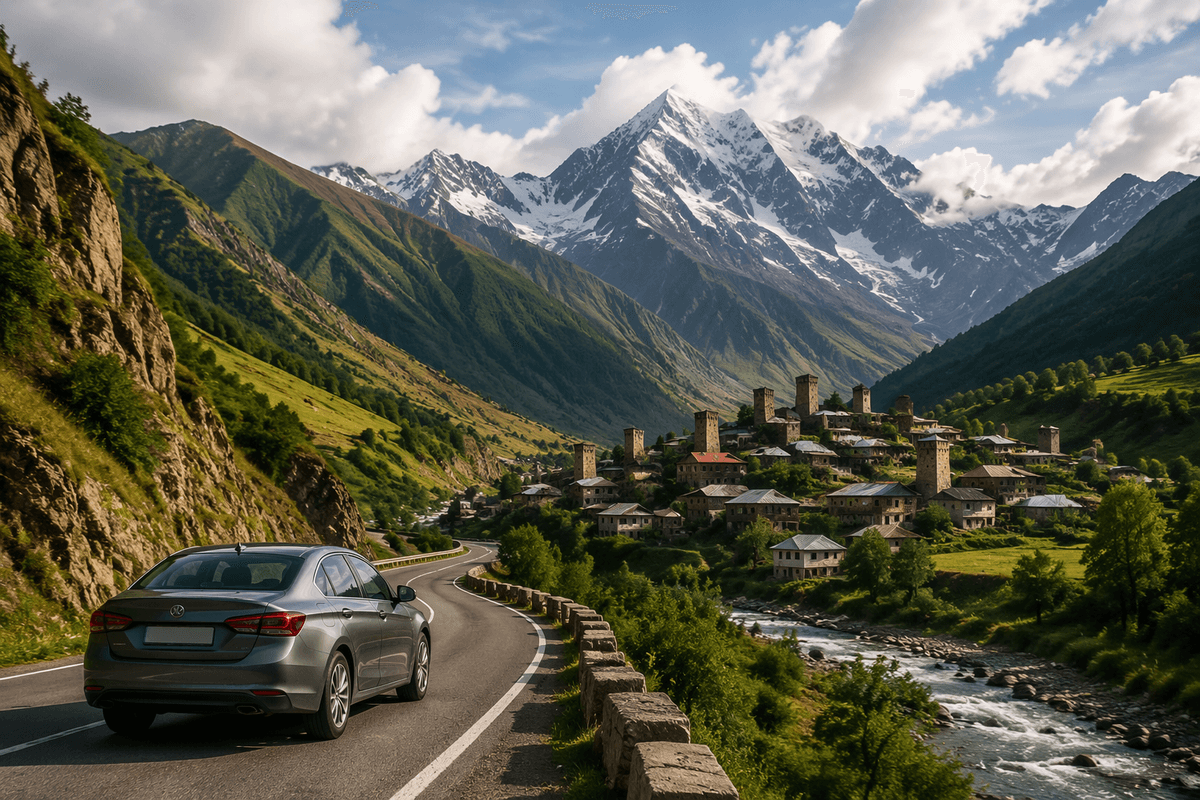
I turned off the main drag behind a guesthouse at 9:18 a.m. and immediately lost the “center” my map promised—just lanes, stone walls, and towers rising where they felt like it. A man was chopping wood in his yard and pointed with the axe handle when I asked for the museum, like it was obvious I’d eventually loop back. The town’s tower-core isn’t a single spot you arrive at; it’s a short, slightly inefficient walk you do better when you stop fighting it.
Give yourself a tower morning before you “spend” your legs on trails: it works in drizzle, and it sets your sense of scale for everything else. Aim to be wandering by 9:00–10:00 so you catch softer light on stone (midday turns the towers flat in photos), then tuck indoor stops into the harsher hours. The history/ethnography museums are small but slow you down in a good way; the trade-off is that “quick” visits still eat a block of time once you’re waiting on openings, paying, and drying out. If you’re planning a big hike tomorrow, this is also the low-risk day to test your layers and boots without committing to a valley.
Don’t over-optimize: pick one tower you’ll actually climb if it’s open, then a single viewpoint on foot. If clouds lift, you’ll be glad you didn’t burn half the day negotiating rides; if they don’t, you still come back with something that looks like Mestia, not just a wet trail selfie.
Pick your signature hike
At 6:55 a.m. I stood outside a bakery with a still-warm khachapuri, watching two groups split at the same junction: one piling into a Delica for Koruldi, the other tightening straps for the Chalaadi valley. My map made both look like neat half-days; my legs and the damp air suggested otherwise. The choice wasn’t “best hike,” it was which kind of friction I wanted to pay for—road dust and altitude, or steady footwork and river crossings.
If you want a reliable solo day that doesn’t depend on finding a seat in someone’s 4x4, Chalaadi Glacier is the cleanest bet: you can start whenever the morning looks stable, and you’re not trapped on a ridge if clouds sink. The trade-off is it’s more of a valley walk than a big panorama, and after rain the stones get slick enough that “easy” turns into slow. Koruldi Lakes flips that: the photos can be outrageous when it’s clear, but it’s guide/ride-friendly terrain—without a lift you burn hours climbing a road, and with a lift you’re negotiating price, timing, and who you’re sharing the return with.
The Mestia–Ushguli trek is the signature, but it only works if your beds line up before you start and the forecast looks boring (boring is good). If you’re booking last-minute, treat it like a flexible ambition: do one strong day hike first, then decide. When your socks are finally dry by evening, you’ll know whether you’re craving day two—or a tower morning and a safer reset.
Go deeper into Svaneti culture
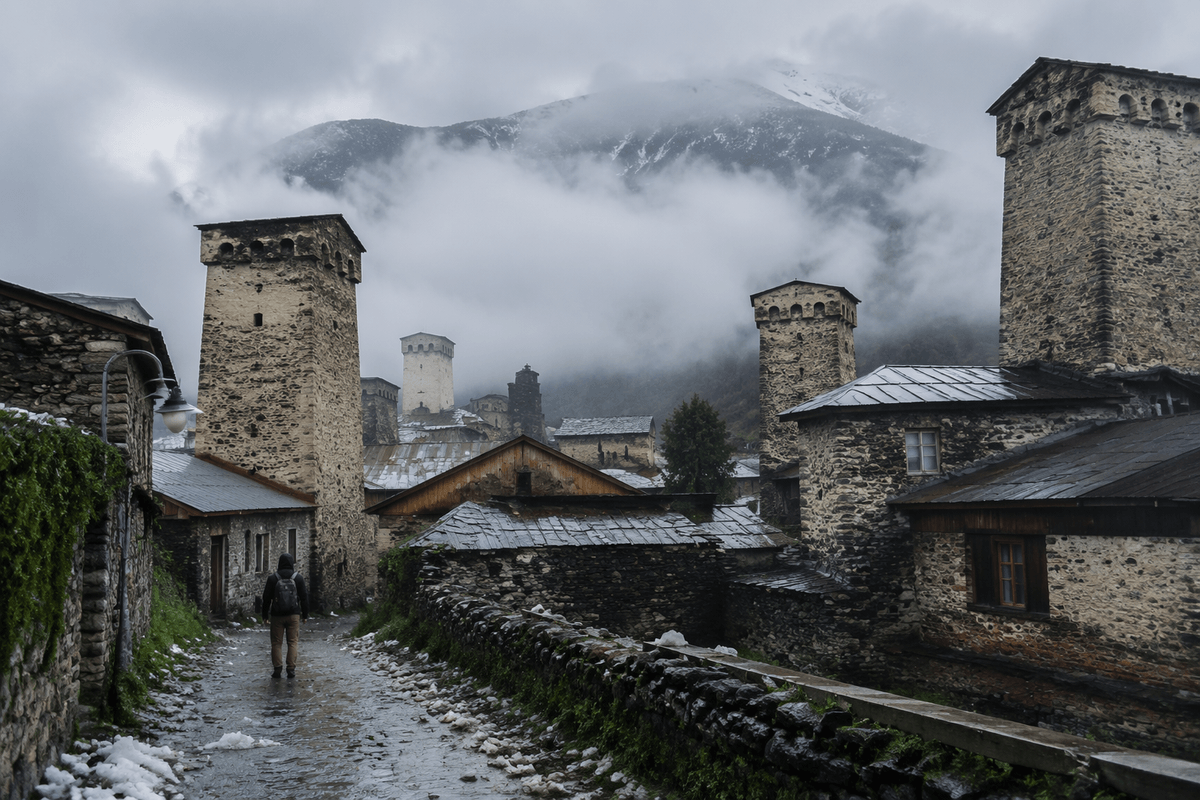
At 2:11 p.m., I ducked into a dim little museum to get out of a sudden burst of hail, and the quiet felt almost louder than the weather. A caretaker slid a guestbook toward me and pointed at the stove like it mattered that my hands warmed up before I looked at anything. Ten minutes earlier I’d been trying to “use the bad forecast” efficiently; inside, time stopped behaving like a schedule.
Going deeper in Svaneti works best when you accept the same trade-off you do on trails: less distance, more texture. The ethnography/history stops in Mestia are small, but they’re dense enough that you’ll want at least 60–90 minutes once you factor in opening gaps, wet-jacket logistics, and actually reading labels instead of speed-walking for photos. This is where solo travel helps—no one’s rushing you—but last-minute planning hurts, because some towers, churches, or family-run exhibits keep hours that feel like suggestions.
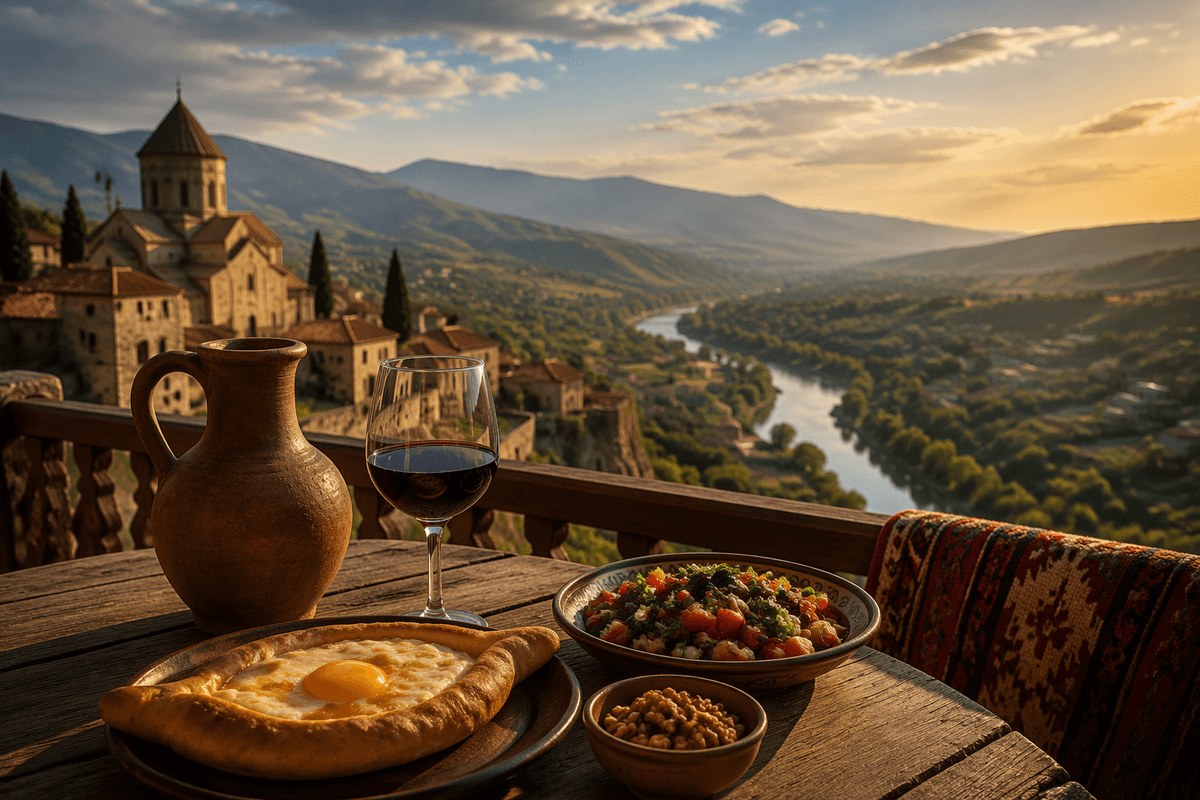
If the clouds are pinned low, choose a “culture block” over a half-hope hike: tower-core wandering + one indoor museum + a long late lunch (kubdari and something hot) beats slogging up a viewless slope. Ask your guesthouse if anyone in the family can show you a tower interior; it’s not guaranteed, and that’s the point—this isn’t a ticketed attraction, it’s someone’s day. If the forecast clears tomorrow, keep tonight simple: rinse socks, charge your phone, and let culture be the part that doesn’t need perfect visibility.
Day trips that feel like expeditions
I watched three drivers argue over seats at 8:05 a.m., while I pretended to study my phone like I wasn’t listening for the word “Ushguli.” One van was “leaving now,” another was “ten minutes,” and a third suddenly needed “two more people,” which is how half-days become full days. The detail that matters isn’t the distance—it’s whether you can control your return time.
Ushguli as a day trip feels like an expedition because the road is the hike: bouncing, slow, and weather-sensitive, with photo stops that turn into a negotiation. It works best for you if you want towers and huge scenery without committing to the Mestia–Ushguli trek (and without lining up guesthouses), but the trade-off is you’re buying flexibility with cash—shared marshrutka is cheaper, a private 4x4 is calmer, and both can be derailed by rain. Leave early, set a hard turnaround time, and don’t assume a late-afternoon ride back will magically appear.
If clouds are sitting low, swap the “big name” for something closer that still feels remote: a short lift-assisted push to a ridge viewpoint can beat a long road day when visibility is thin. The photos may be less iconic, but you’ll spend more time walking and less time waiting, which matters when you’re solo and booking tonight’s bed at the last minute.
If you only have 48 hours
At 6:32 a.m. on my second morning, I stood in the guesthouse hallway with one boot on, listening to rain tick the metal roof and debating whether to chase a van to Ushguli or just commit to a local trail. The receptionist had already said “maybe” twice about departures, which was its own forecast. With 48 hours, that tiny hesitation matters more than your itinerary does.
Make Day 1 a controllable win: tower-core wandering in the soft light (9:00-ish beats midday glare), then a signature hike you can start and end on your own clock—Chalaadi is the cleanest “no-ride” option if the valley isn’t flooded and your ankles are steady on wet rock. You’re choosing consistency over the big postcard panorama, but you’ll actually finish with time to dry gear, edit photos, and ask around for tomorrow’s transport without panic-booking a sketchy ride.
Day 2 is your swing: if the sky looks boring (good) by early morning, treat Ushguli as the one logistical gamble—leave early, agree on a return time before you pay, and don’t burn your whole visit on roadside photo stops if you care about walking among the towers. If weather is messy or seats don’t materialize, pivot to a lift/4x4-assisted viewpoint instead and keep one indoor cultural stop in your back pocket for the afternoon slump. The cue I’d follow: spend money to save hours, but don’t spend hours hoping to save money.